Pacific Power Play: U.S., Australia, and Partners Reshape Island Relations
The U.S. State Department opened three embassies in the Pacific Islands over the past year, while Australia and New Zealand adapt to shifting regional dynamics and economic pressures mount. The race for regional partnerships has entered a new phase.
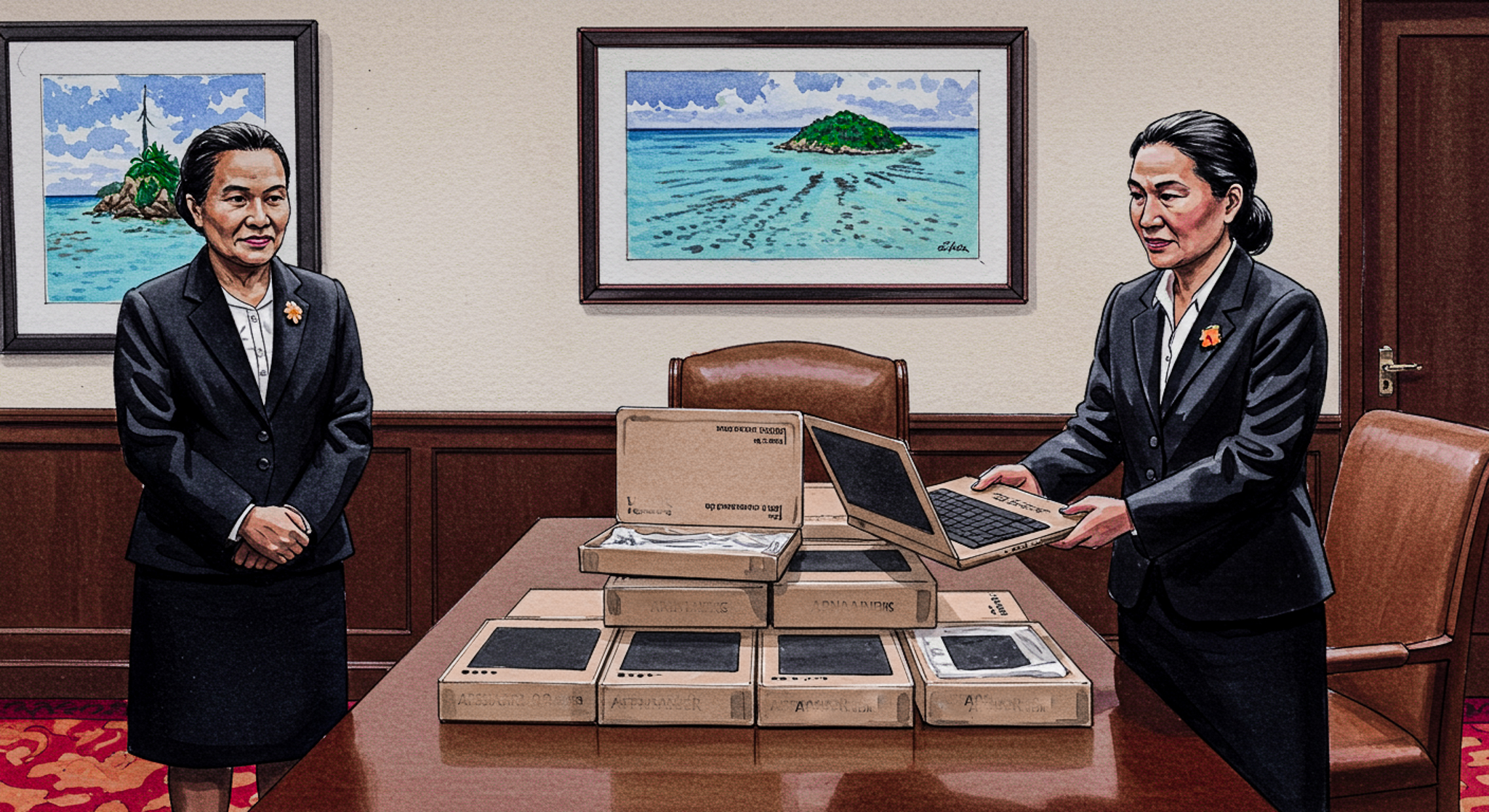
"Small projects may prove as influential as major initiatives"
What transpires from the publicly available documents that we translated recently is that Pacific Island leaders want proof behind promises. When former Solomon Islands Prime Minister Sogavare skipped a 2023 U.S. summit, he cited the previous year's meeting: "We would sit down only to listen to them lecturing us". And China faces similar skepticism: Pacific nations rejected its multilateral security proposal in 2022.
At the same time, economic forces reshape allegiances. The Australian dollar dropped 5.5% against the U.S. dollar in 2024. Chinese-owned mines in Indonesia and Brazil now supply more of China's raw materials, which reduces dependence on Australian resources. Treasury Secretary Bessent outlined the administration's view that tariffs could serve "as a revenue raiser for the federal budget".
In response, Western allies coordinate strategies. The Biden administration launched embassies in Honiara, Nukuʻalofa, Port Vila (heavily damaged by the 7.4 earthquake 6 months after inaugurated) and pledged $8 billion in funding while Australia ramped up its representation arsenal earlier by adding embassies in Majuro, Rarotonga, Palau, Niuē and a consulate Papeʻete. Australia and Aotearoa joined the Partners in the Blue Pacific initiative to boost economic and diplomatic ties. But U.S. diplomatic presence remains outmatched by China - often by 10 diplomats to one.
Yet traditional partners maintain influence. Under AUKUS, Australia committed $3 billion to U.S. shipbuilding. Australian companies supply critical parts for Boeing aircraft and F-35 fighters. Aotearoa previously managed regional relations during U.S. disengagement. Recently, two nations under Aotearoa's free association - Cook Islands and Niuē - gained U.S. recognition.
The Pacific Islands actively shape these relationships through climate priorities. Despite U.S. withdrawal from the Paris Agreement, island nations push for action on rising seas and extreme weather. They seek infrastructure funding that builds resilience against climate impacts. China stands ready to fill gaps in ports, cyber networks, and airfields.
In fact, trade patterns mirror diplomatic shifts. McKinsey, a global management reporting firm, reports increasing "trade shifting towards geopolitically closer partners". For, China's imports now come primarily from developing economies, with ASEAN becoming its largest trading partner. These changes pressure traditional U.S. allies while creating opportunities for newer Chinese partners.
Small projects may prove as influential as major initiatives. Chinese diplomats excel at matching local needs with targeted donations: From laptops to umbrellas. The U.S. development system favors large projects but lacks flexibility for rapid, small-scale responses to community requests.
It becomes apparent that the U.S. must also better integrate its Pacific territories into regional strategy. Almost 2 million Americans live on Pacific islands, yet policy treats these areas separately from independent Pacific nations. Health systems, media outlets, and infrastructure in U.S. territories affect broader regional influence.
This evolving situation demands sustained attention across U.S. administrations. While competition with China drove recent engagement, maintaining influence requires addressing Pacific priorities directly. The region's future remains unresolved as nations leverage relationships with all partners to serve their vested interests.
In response, Western allies coordinate strategies. The Biden administration launched embassies in Honiara, Nukuʻalofa, Port Vila (heavily damaged by the 7.4 earthquake 6 months after inaugurated) and pledged $8 billion in funding while Australia ramped up its representation arsenal earlier by adding embassies in Majuro, Rarotonga, Palau, Niuē and a consulate Papeʻete. Australia and Aotearoa joined the Partners in the Blue Pacific initiative to boost economic and diplomatic ties. But U.S. diplomatic presence remains outmatched by China - often by 10 diplomats to one.
Yet traditional partners maintain influence. Under AUKUS, Australia committed $3 billion to U.S. shipbuilding. Australian companies supply critical parts for Boeing aircraft and F-35 fighters. Aotearoa previously managed regional relations during U.S. disengagement. Recently, two nations under Aotearoa's free association - Cook Islands and Niuē - gained U.S. recognition.
The Pacific Islands actively shape these relationships through climate priorities. Despite U.S. withdrawal from the Paris Agreement, island nations push for action on rising seas and extreme weather. They seek infrastructure funding that builds resilience against climate impacts. China stands ready to fill gaps in ports, cyber networks, and airfields.
In fact, trade patterns mirror diplomatic shifts. McKinsey, a global management reporting firm, reports increasing "trade shifting towards geopolitically closer partners". For, China's imports now come primarily from developing economies, with ASEAN becoming its largest trading partner. These changes pressure traditional U.S. allies while creating opportunities for newer Chinese partners.
Small projects may prove as influential as major initiatives. Chinese diplomats excel at matching local needs with targeted donations: From laptops to umbrellas. The U.S. development system favors large projects but lacks flexibility for rapid, small-scale responses to community requests.
It becomes apparent that the U.S. must also better integrate its Pacific territories into regional strategy. Almost 2 million Americans live on Pacific islands, yet policy treats these areas separately from independent Pacific nations. Health systems, media outlets, and infrastructure in U.S. territories affect broader regional influence.
This evolving situation demands sustained attention across U.S. administrations. While competition with China drove recent engagement, maintaining influence requires addressing Pacific priorities directly. The region's future remains unresolved as nations leverage relationships with all partners to serve their vested interests.

Huri Translations
Tel. +689 89 205 483
[email protected]
PO BOX 365 Maharepa
98728 Mo'orea
French Polynesia
N°TAHITI 876649


Social