Beyond the Rising Tide
From the ancient wayfinders to today's displaced communities, Pacific Islanders have always been on the move. But modern migration bears little resemblance to the journeys of our ancestors. Climate change is pushing entire communities toward relocation and is putting our languages and cultural identity at risk.
"When children grow up in English-speaking countries, they naturally shift toward English"
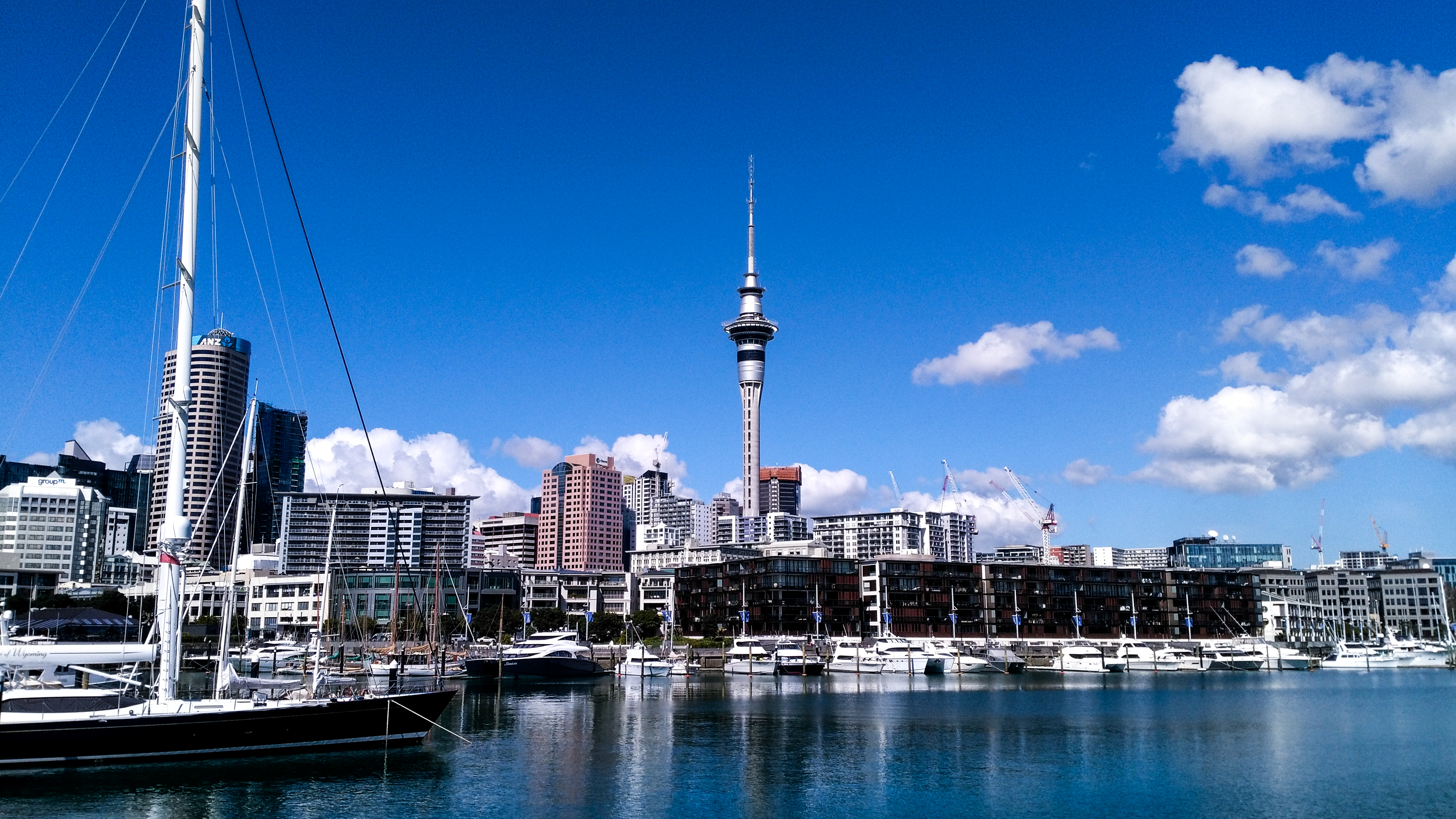
Our translation agency's work with Pacific Island languages gives us a crow's nest view of these changes. We see it clearly in places like Tuvalu, Kiribati, or Tokelau, three small atolls - four if we count Olohega - where about 1,500 people live. With no point higher than 5 meters above sea level, these islands face immediate threats from rising seas and intensifying storms. The majority of Tokelauans now live overseas – mainly in Aotearoa, home to around 6,000 Tokelauans.
The numbers tell a clear story about language loss. While 94% of Tokelauans in the atolls speak their native language, only 44% of those in Aotearoa can hold a conversation in Tokelauan, down from 53% in 1996. In Hawaiʻi, the situation is even more dire: just 8% of the Tokelauan community speaks the language at a native level.
"When children grow up in English-speaking countries, they naturally shift toward English", explains Dr. Jason Brown, a linguist specializing in Pacific languages. "Without deliberate efforts to maintain the heritage language, it often disappears within two generations."
Climate pressures will likely speed up this pattern. Rising seas endanger many low-lying islands, while shifting weather patterns disrupt traditional fishing and farming – the foundations of island life. Kiribati's government has already bought land in Fiji, and is preparing for possible future relocation.
Our translation work reflects these population movements. We receive more and more requests for health information, legal documents, and immigration materials from Pacific communities living abroad. Yet these communities are taking action to preserve their languages. Digital technology offers new possibilities. E-talanoa – Samoan online versions of traditional Pacific storytelling gatherings – helps scattered communities maintain cultural connections. These virtual meetings help preserve the language and the associated cultural protocols and knowledge-sharing practices in events such as funerals (popularized during the COVID-19 pandemic), Pākoti Rouru (Hair cutting ceremonies) in the Cook Islands communities, weddings, etc.
The land of the long white cloud has launched promising initiatives. In 2023, a Tokelau bilingual unit opened at Porirua's Glenview School. Te Mana Tohu Mātauranga o Aotearoa plans to add Tokelauan as a secondary school subject, which would formally recognize the language in the education system.
During COVID-19, our translators ensured older Tokelauans received health information in their language. We've noticed increased demand for such services, especially for medical and legal documents. But obstacles persist as our small team have to decline translation tasks when at full capacity. In fact, Tokelau itself has only about a dozen regular government translators. Our agency sometimes struggles to find additional qualified translators when there is a burst in demand. Back into COVID-19, some technical terms posed particular difficulties to our teams, as the more traditional languages must coin new terminology for concepts such as quarantine, isolation, stay-at-home, curfew, etc. which had to be then validated by academics.
Dr. John Middleton, who researches climate migration's effects on languages, points to both risks and opportunities. "Pacific languages will live or die in places like Auckland and Honolulu, not just in their island homelands," he says. "They need to remain everyday languages, not museum pieces." And we can't agree more, the path that some languages follow in the school curriculum is often to teach the language as a second language and for conservatory, artistic and oratory purposes, when it should be a path for adaptation of the language to modern life.
The future of Pacific languages may depend on making them relevant in new settings. This means expanding bilingual education, but also creating digital resources, and supporting community initiatives that integrate heritage languages into our daily life.
While UNESCO lists Tokelauan as "severely endangered," Pacific communities are finding innovative ways to keep their languages alive wherever they settle. Their experience guides other communities facing climate displacement and show how cultural and linguistic preservation matters as much as finding new homes.
Like our ancestors reading the stars across open waters, today's Pacific peoples navigate through uncertain times. Their journey to preserve language and culture while adapting to new lands may light the way for others in our changing world.
"When children grow up in English-speaking countries, they naturally shift toward English", explains Dr. Jason Brown, a linguist specializing in Pacific languages. "Without deliberate efforts to maintain the heritage language, it often disappears within two generations."
Climate pressures will likely speed up this pattern. Rising seas endanger many low-lying islands, while shifting weather patterns disrupt traditional fishing and farming – the foundations of island life. Kiribati's government has already bought land in Fiji, and is preparing for possible future relocation.
Our translation work reflects these population movements. We receive more and more requests for health information, legal documents, and immigration materials from Pacific communities living abroad. Yet these communities are taking action to preserve their languages. Digital technology offers new possibilities. E-talanoa – Samoan online versions of traditional Pacific storytelling gatherings – helps scattered communities maintain cultural connections. These virtual meetings help preserve the language and the associated cultural protocols and knowledge-sharing practices in events such as funerals (popularized during the COVID-19 pandemic), Pākoti Rouru (Hair cutting ceremonies) in the Cook Islands communities, weddings, etc.
The land of the long white cloud has launched promising initiatives. In 2023, a Tokelau bilingual unit opened at Porirua's Glenview School. Te Mana Tohu Mātauranga o Aotearoa plans to add Tokelauan as a secondary school subject, which would formally recognize the language in the education system.
During COVID-19, our translators ensured older Tokelauans received health information in their language. We've noticed increased demand for such services, especially for medical and legal documents. But obstacles persist as our small team have to decline translation tasks when at full capacity. In fact, Tokelau itself has only about a dozen regular government translators. Our agency sometimes struggles to find additional qualified translators when there is a burst in demand. Back into COVID-19, some technical terms posed particular difficulties to our teams, as the more traditional languages must coin new terminology for concepts such as quarantine, isolation, stay-at-home, curfew, etc. which had to be then validated by academics.
Dr. John Middleton, who researches climate migration's effects on languages, points to both risks and opportunities. "Pacific languages will live or die in places like Auckland and Honolulu, not just in their island homelands," he says. "They need to remain everyday languages, not museum pieces." And we can't agree more, the path that some languages follow in the school curriculum is often to teach the language as a second language and for conservatory, artistic and oratory purposes, when it should be a path for adaptation of the language to modern life.
The future of Pacific languages may depend on making them relevant in new settings. This means expanding bilingual education, but also creating digital resources, and supporting community initiatives that integrate heritage languages into our daily life.
While UNESCO lists Tokelauan as "severely endangered," Pacific communities are finding innovative ways to keep their languages alive wherever they settle. Their experience guides other communities facing climate displacement and show how cultural and linguistic preservation matters as much as finding new homes.
Like our ancestors reading the stars across open waters, today's Pacific peoples navigate through uncertain times. Their journey to preserve language and culture while adapting to new lands may light the way for others in our changing world.

Huri Translations
Tel. +689 89 205 483
[email protected]
PO BOX 365 Maharepa
98728 Mo'orea
French Polynesia
N°TAHITI 876649


Social