The Pacific Islands' Aid Transformation: A Decade of Data Tells the Story
Aid to the Pacific Islands has reached historic highs as global powers compete for regional influence. Australia, which in 2021 committed AU$1.9 billion to boost Pacific engagement including AU$1.4 billion for security, remains the region's leading donor. But the aid landscape is shifting dramatically as traditional and new donors jostle for position.
"a backdrop of increasing geopolitical competition where announcements matter"
In response to growing competition, Pacific Islands leaders have adopted a clear stance. Their mantra of being "friends to all, enemies to none" reflects a pragmatic approach to maximizing development options. However, data from the Lowy Institute reveals this balancing act comes with complexities. While total aid commitments have increased, the effectiveness of delivery varies significantly among donors.
Papua New Guinea emerges as the region's largest aid recipient, with committed development assistance climbing from US$992 million in 2013 to a peak of US$6 billion in 2017, before settling at US$2.1 billion by 2021. This dramatic fluctuation coincided with major infrastructure initiatives, including the 2018 APEC summit preparations.
The data shows traditional aid approaches evolving. In 2013, grant assistance dominated Pacific aid profiles: For example, Fiji received US$131 million in total aid that year, with US$131 million as grants. By 2021, the picture had grown more complex, with Fiji's total aid reaching US$659 million, split between grants and loans.
Solomon Islands presents another telling case. The country's aid profile shows sharp year-to-year variations: From US$292 million in 2013 to US$441 million in 2021. More significantly, the gap between committed and spent aid widened. In 2021, while donors committed US$441 million, only US$326 million was actually spent.
Multilateral institutions have steadily increased their presence. The data tracks official development assistance (ODA) grants versus loans, showing a gradual shift toward more complex financing arrangements. In 2013, ODA grants to the Pacific region totaled US$311 million. By 2021, this had grown to US$537 million, with additional loan financing expanding available resources.
The data reveals distinct patterns in how different donors structure their assistance. Australia and other traditional donors maintain high proportions of grant funding, while newer entrants often mix grants with loans. This shift appears in the numbers: ODA loans to Papua New Guinea grew from US$272 million in 2013 to US$443 million in 2021.
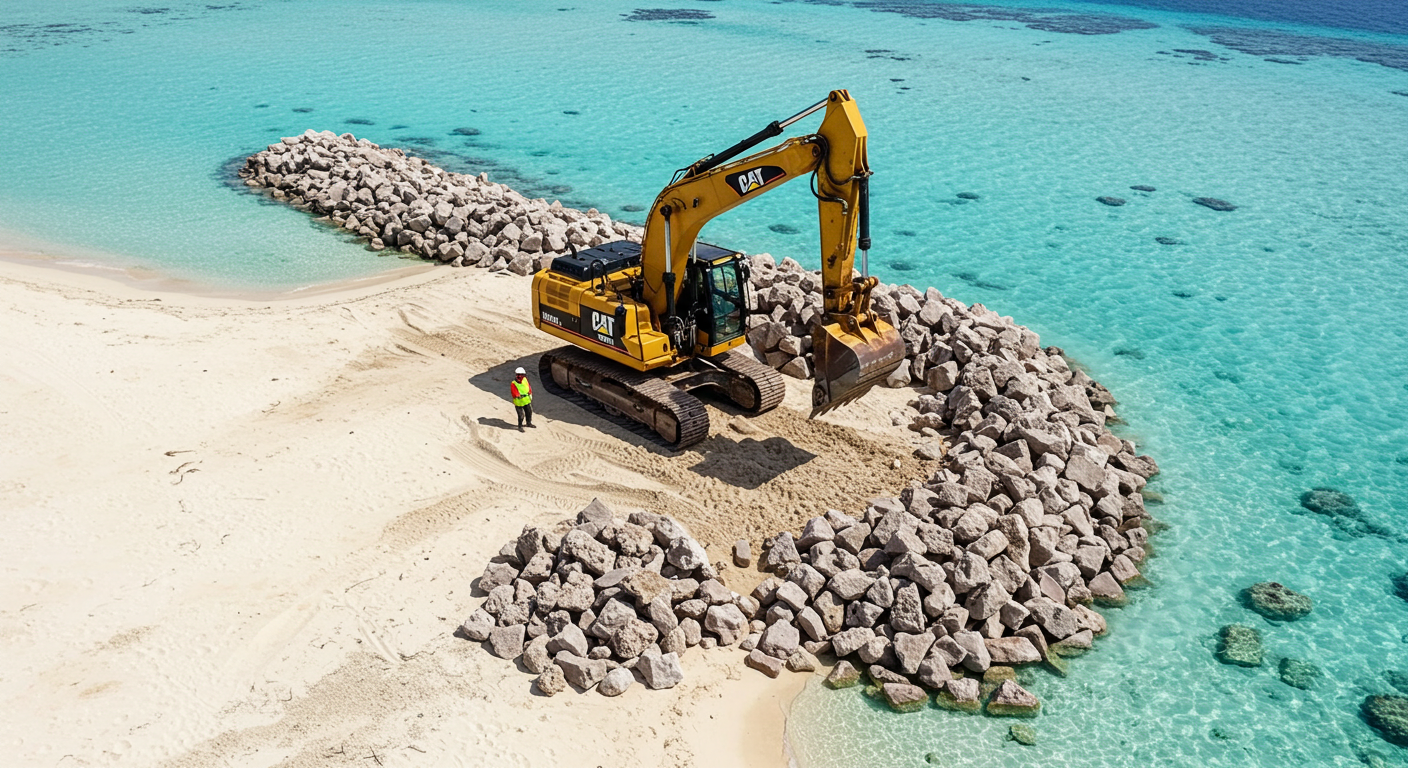
Smaller Pacific nations show different patterns. Tuvalu's aid commitments remained relatively stable, ranging from US$48 million in 2013 to US$71 million in 2021. However, the composition of this aid evolved, with increasing emphasis on climate resilience projects like the Fogafale land reclamation project (part of UNDP's TCAP plan).
As a Pacific Island language services provider working with development agencies since 2008, we've observed how this evolving aid landscape creates new communication challenges. When multiple donors, complex financing terms, and diverse stakeholders converge on a single project, precise technical translation between local languages becomes essential.
And this means coining new tech terms while making sure they remain valid across jurisdictions. An infrastructure project might require translating loan agreements from Mandarin to English to Tok Pisin, where our teams need to ensure community consultations are accurately conveyed.
Micronesian states demonstrate different aid profiles shaped by their Compact relationships with the United States. The Federated States of Micronesia's aid commitments fluctuated between US$209 million in 2013 and US$216 million in 2021, with a notable peak of US$281 million in 2019.
The numbers also highlight implementation challenges. Across the region, significant gaps persist between committed and spent aid. In 2021, while Fiji saw US$659 million in commitments, spent aid totaled US$698 million. That corresponded to one of the few cases where spending exceeded commitments, with delayed project completion from previous years.
Regional organizations' role appears in the figures. While most aid flows bilaterally, regional commitments grew from US$311 million in 2013 to US$556 million in 2021, which therefore translated into increased emphasis on coordinated approaches to challenges like climate change and maritime security.
These financial flows occur against a backdrop of increasing geopolitical competition where announcements matter. As the Lowy Institute points out, traditional donors like Australia and the United States now compete with China for regional influence. The aid data reflects this competition: Total regional aid commitments more than doubled between 2013 and 2021.
The numbers suggest Pacific nations are leveraging this competition effectively. Total aid to the region has increased substantially, but the distribution varies significantly by country. Larger states like Papua New Guinea and Fiji attract diverse funding sources, while smaller nations often rely more heavily on traditional donors and multilateral institutions.
Looking ahead, the data points to ongoing changes in Pacific aid architecture. The rise in multilateral financing, growing complexity in aid instruments, and persistent gaps between commitments and spending all suggest a need for continued evolution in how development assistance is delivered to the region.
This transformation in Pacific aid, clearly visible in a decade of data, reflects broader changes in regional dynamics. As Pacific nations continue navigating relationships with competing donors, both the numbers and work on the ground suggest they're increasingly sophisticated in maximizing development resources while maintaining sovereign decision-making.

Huri Translations
Tel. +689 89 205 483
[email protected]
PO BOX 365 Maharepa
98728 Mo'orea
French Polynesia
N°TAHITI 876649


Social