Transplantation barriers in the Pacific Islands
Every year, over 157,000 organ transplants worldwide give patients new life. Yet for those living in Pacific Islands, geography dictates survival rates in ways that modern medicine struggles to overcome.
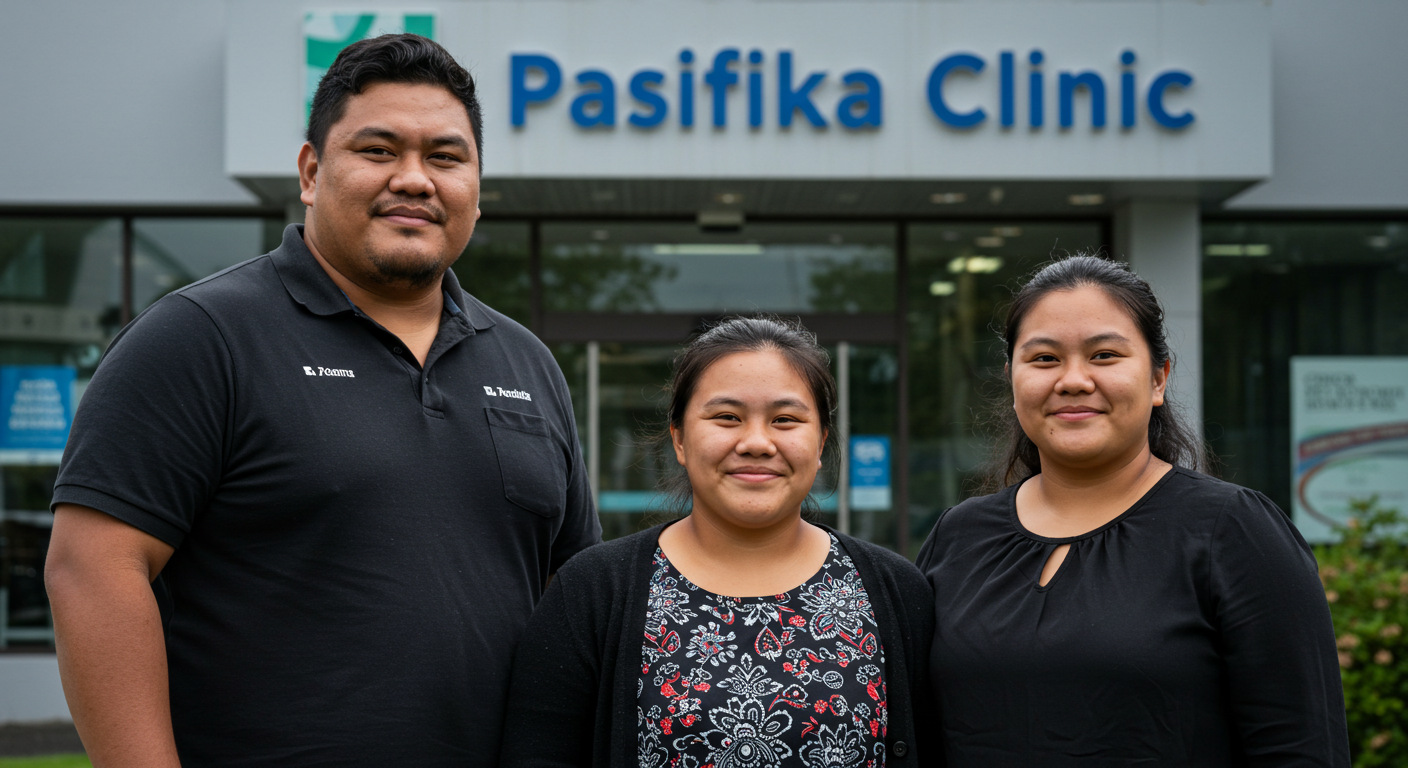
"We should all heed on Spain's success"
The mathematics of distance in the Pacific creates stark divides. While our teams seamlessly handle communication across Pacific Island languages with the medical translation services we provide, no translation can shrink the thousands of miles between a patient in say, American Sāmoa, and the nearest transplant center.
The numbers reveal this geographic penalty. For, Asian and Pacific Islander patients in mainland United States achieve high transplant rates and strong survival outcomes. Move these same populations to Hawaiʻi or worse, in the territories under US administration, and their chances of receiving a transplant plummet. Some families face impossible choices: relocate thousands of miles away or remain on dialysis near home.
This disparity reflects broader patterns in global transplantation. Nations with robust healthcare systems like Spain achieve 47 donors per million population through coordinated national, regional, and local efforts. European countries overcome size limitations through alliances like Eurotransplant, which serves eight nations. Yet these solutions assume a geographic continuity that our Pacific Islands lacks crucially.
Then, funding deepens these divides. While Western nations spending more on healthcare typically show higher transplant rates, examples like Croatia show us that effective organization can overcome financial constraints. Their streamlined system, led by a National Transplant Coordinator, achieves impressive results despite more modest resources.
Also, legislative frameworks influence outcomes. Most countries prohibit organ commercialization, though Iran's controversial compensated donation program has sparked debate. In the Pacific, varying policies across territories complicate organ sharing and allocation. Some regions lack national transplant registries entirely, leaving hospitals to manage waiting lists independently.
The human cost extends beyond individuals to entire communities. In American Sāmoa, the choice between relocation for transplant access or remaining on dialysis tears at family structures. Not only that, local cultural attitudes toward organ donation affect both living and deceased donor rates.
This disparity reflects broader patterns in global transplantation. Nations with robust healthcare systems like Spain achieve 47 donors per million population through coordinated national, regional, and local efforts. European countries overcome size limitations through alliances like Eurotransplant, which serves eight nations. Yet these solutions assume a geographic continuity that our Pacific Islands lacks crucially.
Then, funding deepens these divides. While Western nations spending more on healthcare typically show higher transplant rates, examples like Croatia show us that effective organization can overcome financial constraints. Their streamlined system, led by a National Transplant Coordinator, achieves impressive results despite more modest resources.
Also, legislative frameworks influence outcomes. Most countries prohibit organ commercialization, though Iran's controversial compensated donation program has sparked debate. In the Pacific, varying policies across territories complicate organ sharing and allocation. Some regions lack national transplant registries entirely, leaving hospitals to manage waiting lists independently.
The human cost extends beyond individuals to entire communities. In American Sāmoa, the choice between relocation for transplant access or remaining on dialysis tears at family structures. Not only that, local cultural attitudes toward organ donation affect both living and deceased donor rates.
Data from Aotearoa shows Māori start dialysis treatment at three times the rate of adult kiwis of European origin, while the latter have an incidence of dialysis nearly four times lower than Māori adults (72 versus 266 per million population). Evidence suggests that incorporating indigenous research methodologies can help identify and address systemic barriers. Studies using Kaupapa Māori approaches have highlighted how standard medical criteria and allocation systems may inadvertently perpetuate disparities.
Solutions require reimagining transplant systems for Pacific realities. We should all heed on Spain's success in coordinated care that respects local contexts. The European model of cross-border cooperation suggests possibilities for Pacific territories. For the territories under US administration near and far, a regional network linking Hawaiʻi, Guam, and American Sāmoa could expand access while keeping patients closer to home, and at a fraction of the cost.
Yet any solution must address both systemic and cultural factors: Programs must balance universal medical standards with local cultural practices as the misalignment manifests in everything from pre-transplant education to post-operative care protocols.
Solutions require reimagining transplant systems for Pacific realities. We should all heed on Spain's success in coordinated care that respects local contexts. The European model of cross-border cooperation suggests possibilities for Pacific territories. For the territories under US administration near and far, a regional network linking Hawaiʻi, Guam, and American Sāmoa could expand access while keeping patients closer to home, and at a fraction of the cost.
Yet any solution must address both systemic and cultural factors: Programs must balance universal medical standards with local cultural practices as the misalignment manifests in everything from pre-transplant education to post-operative care protocols.
Many patients consider transplant tourism due to institutional factors (denied access, long wait times, uncertainty) and personal factors (poor quality of life on dialysis, financial hardship, loss of freedom, etc.). Medical professionals universally oppose transplant tourism but face ethical dilemmas in preventing it within existing healthcare frameworks. While transplant tourism is considered by many kiwi patients struggling with kidney failure, it is primarily pursued by those with connections to destination countries.
For now, dialysis patients across the Pacific continue treatment while hoping for change. Their experiences highlight a major challenge in global transplantation: Ensuring that geography doesn't determine access to life-saving care. For in medicine's mission to save lives, the ocean's expanse remains a barrier that technology alone cannot bridge.

Huri Translations
Tel. +689 89 205 483
[email protected]
PO BOX 365 Maharepa
98728 Mo'orea
French Polynesia
N°TAHITI 876649


Social