The Little Ice Age: A lesson from Climate Change?
A bitcoin for your thoughts about what happens when the temperature drops by just a few degrees? From AD 1300 to 1800, Pacific Island communities went through major transformations as they adapted to what we now call the Little Ice Age.
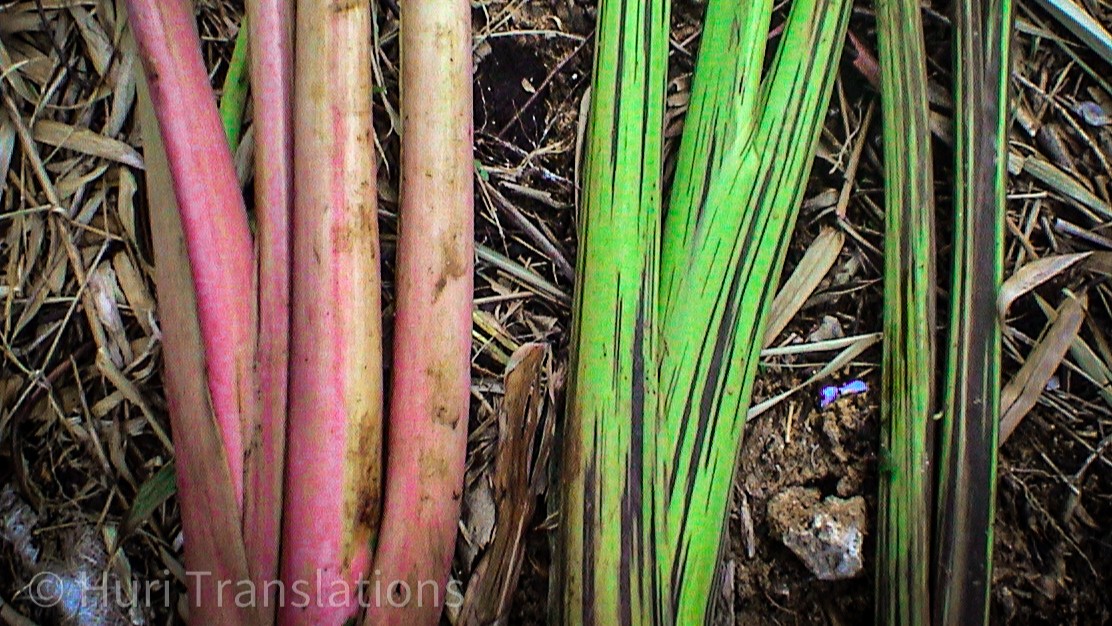
"changing weather patterns and farming methods made long-distance voyaging more difficult"
Like a bolt from the blue, around AD 1300, the Pacific region experienced significant cooling and sea-level changes. On the entire planet Earth, this marked the end of the Medieval Warm Period (AD 750-1300) and the beginning of the Little Ice Age. During the warm period, rising temperatures and sea levels had allowed Pacific Island communities to thrive with large coastal settlements and elaborate agricultural systems. The sea provided abundant marine resources, while the warm climate supported diverse crop cultivation.
The transition period between AD 1270-1475 brought two distinct waves of sea-level fall: first by about 29 inches, then by another 16 inches. These changes had far-reaching consequences for many Pacific Islands. The temperature drop stressed crops and reef organisms, while falling sea levels exposed reef surfaces and lowered water tables. As if that weren't enough, increased precipitation washed away exposed infrastructure like marae.
In light of these progressive environmental pressures that increased over generations, Pacific Island communities had to adapt their agricultural practices. The cooler temperatures affected crops that were already near their lower temperature tolerance limits. For instance, in Aotearoa, Kūmara cultivation declined significantly after AD 1350 due to the temperature drop. Agricultural terraces, which had been carefully maintained during warmer periods, suffered from erosion and landslides caused by increased rainfall.
The marine environment underwent substantial changes too. The exposed reef surfaces disrupted the delicate balance of coastal ecosystems. Fish populations declined as their habitat was altered, forcing islanders to progressively modify their fishing practices. Evidence from Kapingamarangi island in western Polynesia shows a shift from nearshore fishing to deeper water fishing during this period. The writing was on the wall for many coastal settlements.
Communities abandoned their exposed coastal locations in favor of Pā : Fortified inland sites. This pattern appears across numerous islands, from Fiji to Sāmoa and Tahiti. The archaeological record from Rapa Nui shows that around AD 1300, people began to inhabit more defensible locations such as Ana (caves) and Tupa (rock shelters). The early settlement site at Anakena on Rapa Nui provides a window into these changes through starch analysis of ancient tools. The evidence shows a diverse range of crops being processed, including traditional Pacific crops like taro and uhi (yam), alongside plants from South America such as the sweet potato.
This suggests that Pacific Island communities maintained complex agricultural systems despite the challenging climate conditions. The Little Ice Age led to increased isolation between islands as changing weather patterns and farming methods made long-distance voyaging more difficult. Despite these challenges, the Pacific Islands showed incredible resilience, developing new strategies to sustain themselves through centuries of cooler temperatures and lower sea levels. The lessons from this period remind us how environmental changes can reshape human societies. Understanding these past adaptations may give us perspectives on contemporary environmental consequences such as human-induced climate change.
The transition period between AD 1270-1475 brought two distinct waves of sea-level fall: first by about 29 inches, then by another 16 inches. These changes had far-reaching consequences for many Pacific Islands. The temperature drop stressed crops and reef organisms, while falling sea levels exposed reef surfaces and lowered water tables. As if that weren't enough, increased precipitation washed away exposed infrastructure like marae.
In light of these progressive environmental pressures that increased over generations, Pacific Island communities had to adapt their agricultural practices. The cooler temperatures affected crops that were already near their lower temperature tolerance limits. For instance, in Aotearoa, Kūmara cultivation declined significantly after AD 1350 due to the temperature drop. Agricultural terraces, which had been carefully maintained during warmer periods, suffered from erosion and landslides caused by increased rainfall.
The marine environment underwent substantial changes too. The exposed reef surfaces disrupted the delicate balance of coastal ecosystems. Fish populations declined as their habitat was altered, forcing islanders to progressively modify their fishing practices. Evidence from Kapingamarangi island in western Polynesia shows a shift from nearshore fishing to deeper water fishing during this period. The writing was on the wall for many coastal settlements.
Communities abandoned their exposed coastal locations in favor of Pā : Fortified inland sites. This pattern appears across numerous islands, from Fiji to Sāmoa and Tahiti. The archaeological record from Rapa Nui shows that around AD 1300, people began to inhabit more defensible locations such as Ana (caves) and Tupa (rock shelters). The early settlement site at Anakena on Rapa Nui provides a window into these changes through starch analysis of ancient tools. The evidence shows a diverse range of crops being processed, including traditional Pacific crops like taro and uhi (yam), alongside plants from South America such as the sweet potato.
This suggests that Pacific Island communities maintained complex agricultural systems despite the challenging climate conditions. The Little Ice Age led to increased isolation between islands as changing weather patterns and farming methods made long-distance voyaging more difficult. Despite these challenges, the Pacific Islands showed incredible resilience, developing new strategies to sustain themselves through centuries of cooler temperatures and lower sea levels. The lessons from this period remind us how environmental changes can reshape human societies. Understanding these past adaptations may give us perspectives on contemporary environmental consequences such as human-induced climate change.

Huri Translations
Tel. +689 89 205 483
[email protected]
PO BOX 365 Maharepa
98728 Mo'orea
French Polynesia
N°TAHITI 876649


Social