Sacred Grounds, Modern Mines
Digging everywhere. A chant echoes across Chile's Atacama Desert, invoking the spirit of the Patʻta Hoiri - the sacred mother earth that has sustained the Lickan Antay people for millennia: "The gods release the water, it rises into the clouds, brings it back down to the hill, to mother earth who makes it run through her veins". But today, these ancient rhythms compete with the hum of lithium mining operations that drain the desert's precious aquifers.
"Many communities don't oppose all resource development"
In resource-rich territories across dear Earth, cycles of extraction repeat themselves. Under banners of progress and sustainability, tech companies and governments pursue natural resources. Europe, holding 5% of global lithium reserves only, now races to reduce dependence on Chinese imports through its Critical Raw Materials Act. Yet behind green promises and digital dreams lies a hard reality: local communities shoulder the weight of environmental damage.
In Chile's Atacama Desert, lithium extraction depletes water resources in one of Earth's driest places. The Lickan Antay people watch their land transform as mining disrupts local ecosystems. Traditional healers who once gathered montecitos (medicinal herbs) find their ancestral knowledge increasingly at odds with industrial priorities. Their Yatiri (spiritual leaders) continue offering ceremonies to the water spirits, even as aquifers drain.
The environmental toll cuts deep everywhere. The Natchiq (Arctic ringed seals in Inupiaq language) show rising stress levels as sea ice melts. Their cells change to fight pollution, weakening their immune systems. These seals really matter - Inuit communities rely on them for food, especially given sky-high grocery prices in remote Arctic areas.
The Arctic states - Canada, Denmark, Finland, Iceland, Norway, Russia, Sweden, and the United States - compete fiercely for continental shelf claims. The U.S. recently claimed about one million square kilometers of additional territory. At stake? The Amerasian Basin alone might hold 10 billion barrels of oil.
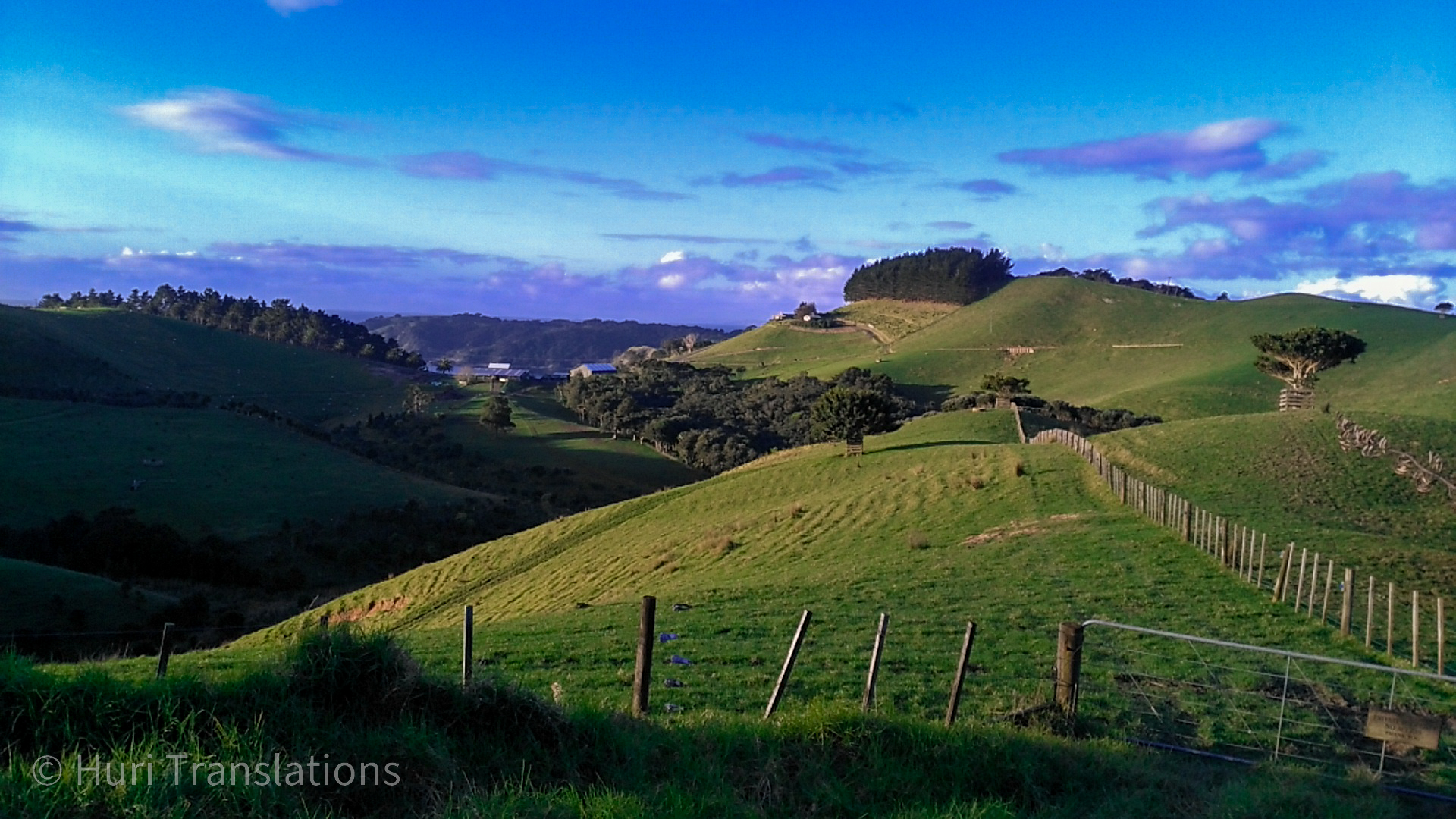
Meanwhile in Aotearoa, a shift in mining policy has emerged, the government introduced a Fast-track Approvals Bill that would slash permitting times from two years to six months, potentially sparking what investors call "a new gold rush." But Indigenous and environmental groups raise alarms about the bill's concentration of power in ministers' hands and its weakening of environmental protections.
As Greenpeace spokesperson Amanda Larsson notes, the bill could undermine important processes of "expert evidence, public participation, scrutiny by the courts" - the very mechanisms by which society weighs appropriate development against environmental and cultural costs. Māori culture emphasizes the interconnectedness of people and the environment, with Kaitiakitanga focusing on guardianship of natural resources and Manaakitanga on hospitality and community responsibility.
As corporations market themselves as drivers of innovation, their supply chains echo colonial relationships. A single iPhone requires about 40 different minerals and metals. Electric car batteries demand copper, lithium, nickel, manganese, cobalt, and graphite. Current European lithium projects face fierce local opposition - from Serbia's Jadar Valley to Portugal's Barroso region, communities resist open-pit mining that threatens their lands and waters.
However, many communities don't oppose all resource development. They reject current practices that ignore proper consultation, genuine environmental protection, and fair benefit-sharing. As one Lickan Antay activist said: "Things take their time. People think that the communities are a company ; Communities take their time".
The path forward requires more than swapping fossil fuels for lithium batteries or moving extraction between regions. It demands reconsidering how we value resource-rich lands and their communities. True technological advancement must include maximum respect for local ways and ecological balance - not in corporate statements, but in daily operations.
Our digital age stands on the shoulders of extraction. The question isn't whether we'll take resources from these lands, but how, and what price local communities must pay. The frantic exploitation in Arctic waters and lithium fields suggests we haven't fully learned history's lessons. Perhaps it's time to listen to those who've lived with these lands since time immemorial and take heed on them.

Huri Translations
Tel. +689 89 205 483
[email protected]
PO BOX 365 Maharepa
98728 Mo'orea
French Polynesia
N°TAHITI 876649


Social