Can We Reclaim Our Night Skies?
In the night dome above the Pacific Islands, stars have guided navigators for millenia. These celestial wayfinding techniques allowed the first voyagers to arrive in Aotearoa and enabled settlers from elsewhere to join. The dark sky was never just mesmerizing: it was functional, spiritual, and essential. Today, about 99% of Europeans and Americans live under light-polluted skies. So, what can we do about it?
"disturbance of circadian rhythms due to prolonged exposure to excessive nighttime lighting can lead to physical and mental disorders"
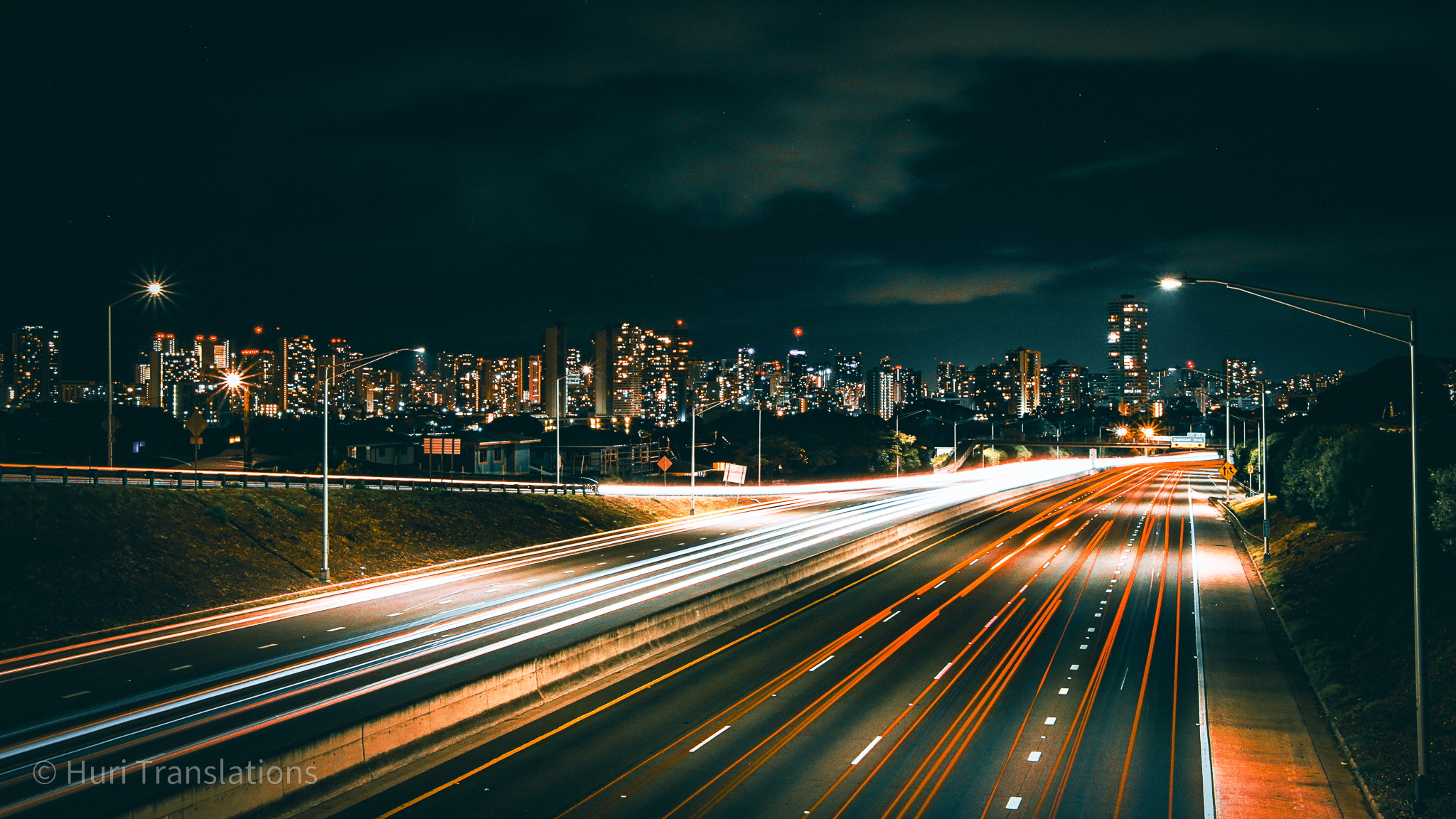
Light pollution is defined as an environmental problem caused by increased, unwanted, and misdirected artificial light at night (ALAN). It can be classified into ground-based light pollution from outdoor ALAN sources and orbital light pollution caused by satellites and space debris.
The darkest astronomical observation sites in the world experience less than 1% sky contamination at zenith in visual wavelengths. These pristine conditions allow telescopes to examine fainter astronomical objects. The actual darkness of the sky is determined by the sum of natural sky brightness from the moon, zodiacal light, Milky Way, and natural air glow, combined with artificial sky brightness from human-made sources.
Artificial sky brightness diminishes a telescope's capabilities. When artificial light contamination reaches 1%, it means for every 100 photons of natural sky brightness, there's an additional photon from light pollution. Telescopes cannot differentiate between these pollution-sourced photons and those arriving from distant celestial objects at the edge of Laniākea, even when using the most advanced instruments available.
Light pollution experiences a dramatic annual increase of approximately 10% depending on the region, causing the disappearance of the nocturnal environment globally. With the widespread transition from old lighting technologies to light-emitting diode (LED) technology, light pollution has increased globally between 270% to 400%.
The ecological effects of light pollution are extensive and well-documented. Nighttime illumination poses a severe threat to the environment as a whole, to major habitats, and to all levels of biodiversity from genes to ecosystems.
Research indicates that light pollution affects different species of flora and fauna, impacting biological activities such as finding food, reproduction, flowering patterns, migration, communication activities, predator-prey relationships, and species' movements. The brightening of natural dark environments in aquatic ecosystems adversely impacts marine organisms and causes avoidance behavior. ALAN is a major driver of insect decline, as insects attracted to lights die from exhaustion or predation. A recent global meta-analysis revealed that insect communities tend to be more active during nighttime rather than during the day, highlighting the urgent need to reduce light pollution due to its impacts on insects.
Light pollution disrupts ecosystems and causes habitat fragmentation. In Madagascar, light pollution contributes to a growing localization of mouse lemurs to smaller and isolated forest patches. Light pollution has created the fragmentation of many mammal ranges, causing isolated dark areas, specifically affecting species exhibiting light avoidance behavior.
Medical research shows that systematic disturbance of circadian rhythms due to prolonged exposure to excessive nighttime lighting can lead to physical and mental disorders. These include hormone-dependent cancer, obesity, allergies, diabetes, mood changes, and depression. Light pollution can alter daily life and social behaviors through changes in sleep patterns.
Now, over the past decade, there has been a significant increase in measures aimed at addressing light pollution across various jurisdictions. The regulatory framework started evolving in the second half of the previous century, with the first legislation to protect the nocturnal environment adopted in Flagstaff, Arizona, USA, in 1958.
Initially, measures against light pollution aimed at providing minimum necessary conditions for astronomical activities and maximizing energy efficiency. However, with the rapid increase of ALAN levels, additional issues emerged, leading to a noticeable deterioration in the state of natural darkness.
Regulatory approaches to light pollution mitigation can be classified in several ways. Policy documents provide guidelines and goals, while laws are legally binding and enforceable. Binding instruments create legal obligations, while non-binding instruments serve as guidance. Regulations can exist at international, national, regional, and local levels. Light pollution is addressed within different regulatory areas, including energy efficiency, environmental protection, urban planning, technical regulations, protection of astronomical observations, public procurement, protection of cultural heritage, and dedicated dark sky protection.
The most common approaches to tackling light pollution include incorporating light pollution concerns into existing regulatory frameworks, adopting new instruments that address a broad range of light pollution impacts, or employing a mixed approach.
Several countries have taken significant steps to address light pollution through legislation. In 2021, Germany adopted the Act on the Protection of Insect Diversity, which made changes to the Federal Nature Conservation Act by including measures to mitigate the adverse effects of ALAN. Croatia has enacted a law specifically focused on addressing light pollution, which aims at safeguarding the environment, human health, biodiversity, and ecosystems from ALAN impacts. With visibility as the goal, permanent lighting can be designed and installed to minimize night-sky impacts while still serving its purpose. DarkSky International and the Illuminating Engineering Society recommend five lighting principles.
First, use light only if it is needed. All light should have a clear purpose and users should consider how the use of light will impact the area, including wildlife and their habitats. Second, direct light so it falls only where it is needed. Use shielding and careful aiming to target the direction of the light beam so that it points downward and does not spill beyond where it is needed. Third, light should be no brighter than necessary. Use the lowest light level required and be mindful of surface conditions, as some surfaces may reflect more light into the night sky than intended. Fourth, use light only when it is needed. Use controls such as timers or motion detectors to ensure that light is available when it is needed, dimmed when possible, and turned off when not needed. Fifth, use warmer color lights where possible. Limit the amount of shorter wavelength (blue-violet) light to the least amount needed.
Many of these principles can be achieved through simple and cost-effective solutions, such as tipping lights downward or installing a light shield to minimize light 'trespass' upward or outward to non-work areas. The recommended goal is simple: Light where you need it and no more.
One notable initiative addressing light pollution is the "Dark for the Park Alliance," formed in 2023. This alliance includes Carlsbad Caverns National Park, Chaco Culture National Heritage Park, New Mexico Oil and Gas Association, Bureau of Land Management, New Mexico State Land Office, Apache Point Observatory, University of Texas McDonald Observatory, Dark Sky International, and other stakeholders.
The alliance has developed a Lighting Guidance Options document based on the Five Principles for Responsible Outdoor lighting, specifically designed for oil and gas operations in the Permian and San Juan Basins in Southeast and Northwest New Mexico. The vision of the Dark for the Park Alliance includes maintaining or increasing night sky quality at national parks, maintaining safety and security of operations, and educating through the Lighting Guidance Options document. The alliance aims to demonstrate that solutions can be simple, low cost, and mutually beneficial, while encouraging participation through Night Sky Recognition Programs.
Artificial sky brightness diminishes a telescope's capabilities. When artificial light contamination reaches 1%, it means for every 100 photons of natural sky brightness, there's an additional photon from light pollution. Telescopes cannot differentiate between these pollution-sourced photons and those arriving from distant celestial objects at the edge of Laniākea, even when using the most advanced instruments available.
Light pollution experiences a dramatic annual increase of approximately 10% depending on the region, causing the disappearance of the nocturnal environment globally. With the widespread transition from old lighting technologies to light-emitting diode (LED) technology, light pollution has increased globally between 270% to 400%.
The ecological effects of light pollution are extensive and well-documented. Nighttime illumination poses a severe threat to the environment as a whole, to major habitats, and to all levels of biodiversity from genes to ecosystems.
Research indicates that light pollution affects different species of flora and fauna, impacting biological activities such as finding food, reproduction, flowering patterns, migration, communication activities, predator-prey relationships, and species' movements. The brightening of natural dark environments in aquatic ecosystems adversely impacts marine organisms and causes avoidance behavior. ALAN is a major driver of insect decline, as insects attracted to lights die from exhaustion or predation. A recent global meta-analysis revealed that insect communities tend to be more active during nighttime rather than during the day, highlighting the urgent need to reduce light pollution due to its impacts on insects.
Light pollution disrupts ecosystems and causes habitat fragmentation. In Madagascar, light pollution contributes to a growing localization of mouse lemurs to smaller and isolated forest patches. Light pollution has created the fragmentation of many mammal ranges, causing isolated dark areas, specifically affecting species exhibiting light avoidance behavior.
Medical research shows that systematic disturbance of circadian rhythms due to prolonged exposure to excessive nighttime lighting can lead to physical and mental disorders. These include hormone-dependent cancer, obesity, allergies, diabetes, mood changes, and depression. Light pollution can alter daily life and social behaviors through changes in sleep patterns.
Now, over the past decade, there has been a significant increase in measures aimed at addressing light pollution across various jurisdictions. The regulatory framework started evolving in the second half of the previous century, with the first legislation to protect the nocturnal environment adopted in Flagstaff, Arizona, USA, in 1958.
Initially, measures against light pollution aimed at providing minimum necessary conditions for astronomical activities and maximizing energy efficiency. However, with the rapid increase of ALAN levels, additional issues emerged, leading to a noticeable deterioration in the state of natural darkness.
Regulatory approaches to light pollution mitigation can be classified in several ways. Policy documents provide guidelines and goals, while laws are legally binding and enforceable. Binding instruments create legal obligations, while non-binding instruments serve as guidance. Regulations can exist at international, national, regional, and local levels. Light pollution is addressed within different regulatory areas, including energy efficiency, environmental protection, urban planning, technical regulations, protection of astronomical observations, public procurement, protection of cultural heritage, and dedicated dark sky protection.
The most common approaches to tackling light pollution include incorporating light pollution concerns into existing regulatory frameworks, adopting new instruments that address a broad range of light pollution impacts, or employing a mixed approach.
Several countries have taken significant steps to address light pollution through legislation. In 2021, Germany adopted the Act on the Protection of Insect Diversity, which made changes to the Federal Nature Conservation Act by including measures to mitigate the adverse effects of ALAN. Croatia has enacted a law specifically focused on addressing light pollution, which aims at safeguarding the environment, human health, biodiversity, and ecosystems from ALAN impacts. With visibility as the goal, permanent lighting can be designed and installed to minimize night-sky impacts while still serving its purpose. DarkSky International and the Illuminating Engineering Society recommend five lighting principles.
First, use light only if it is needed. All light should have a clear purpose and users should consider how the use of light will impact the area, including wildlife and their habitats. Second, direct light so it falls only where it is needed. Use shielding and careful aiming to target the direction of the light beam so that it points downward and does not spill beyond where it is needed. Third, light should be no brighter than necessary. Use the lowest light level required and be mindful of surface conditions, as some surfaces may reflect more light into the night sky than intended. Fourth, use light only when it is needed. Use controls such as timers or motion detectors to ensure that light is available when it is needed, dimmed when possible, and turned off when not needed. Fifth, use warmer color lights where possible. Limit the amount of shorter wavelength (blue-violet) light to the least amount needed.
Many of these principles can be achieved through simple and cost-effective solutions, such as tipping lights downward or installing a light shield to minimize light 'trespass' upward or outward to non-work areas. The recommended goal is simple: Light where you need it and no more.
One notable initiative addressing light pollution is the "Dark for the Park Alliance," formed in 2023. This alliance includes Carlsbad Caverns National Park, Chaco Culture National Heritage Park, New Mexico Oil and Gas Association, Bureau of Land Management, New Mexico State Land Office, Apache Point Observatory, University of Texas McDonald Observatory, Dark Sky International, and other stakeholders.
The alliance has developed a Lighting Guidance Options document based on the Five Principles for Responsible Outdoor lighting, specifically designed for oil and gas operations in the Permian and San Juan Basins in Southeast and Northwest New Mexico. The vision of the Dark for the Park Alliance includes maintaining or increasing night sky quality at national parks, maintaining safety and security of operations, and educating through the Lighting Guidance Options document. The alliance aims to demonstrate that solutions can be simple, low cost, and mutually beneficial, while encouraging participation through Night Sky Recognition Programs.
Shift and enter to skip a li
As a company specializing in Pacific Island languages, we also consider the cultural significance of dark skies. For many Pacific Indigenous peoples, reducing light pollution levels is considered essential for protecting traditional knowledge and practices related to the stars. The Mauna Kea Comprehensive Management Plan in Hawaiʻi protects the presence of dark skies due to their significance to Native Hawaiian culture. For Tangata Whenua in Aotearoa, relationships with tīpuna are intrinsic and lived through knowledge of Whakapapa.
Shift a
Niuē made history in 2020 by becoming the world's first country to receive complete dark sky protection. Designated as both an International Dark Sky Sanctuary and Dark Sky Community by the International Dark-Sky Association, this small nation shy of 2,000 residents replaced all streetlights and upgraded private lighting across the island. For Niueans, whose ancestors navigated by stars and lived by lunar cycles, this designation helps preserve cultural knowledge passed through generations. The protection of Niuē's night skies complements existing conservation efforts for the island's land and marine environments to create a holistic approach to preserving the natural heritage of the island.
Through our translation work with various Pacific communities, we've observed how celestial knowledge forms an integral part of cultural identity and navigation practices until this day. We strive to preserve not just languages but the contexts in which they developed: And that includes under dark night skies. Light pollution is of a cultural preservation concern too. By advocating for responsible lighting practices, we help maintain the connection between Pacific peoples and their celestial heritage, ensuring that future generations can experience the same dark skies that guided our ancestors. As increasing numbers of jurisdictions adopt light pollution regulations, we hope to play our part by facilitating communication across language barriers and promoting awareness of this issue throughout the Pacific region.

Huri Translations
Tel. +689 89 205 483
[email protected]
PO BOX 365 Maharepa
98728 Mo'orea
French Polynesia
N°TAHITI 876649


Social