Ancient Scripts Linking Rapa Nui and Mesoamerica?
Ancient societies in Rapa Nui and Mesoamerica developed writing systems that used matching techniques to show color in their texts.
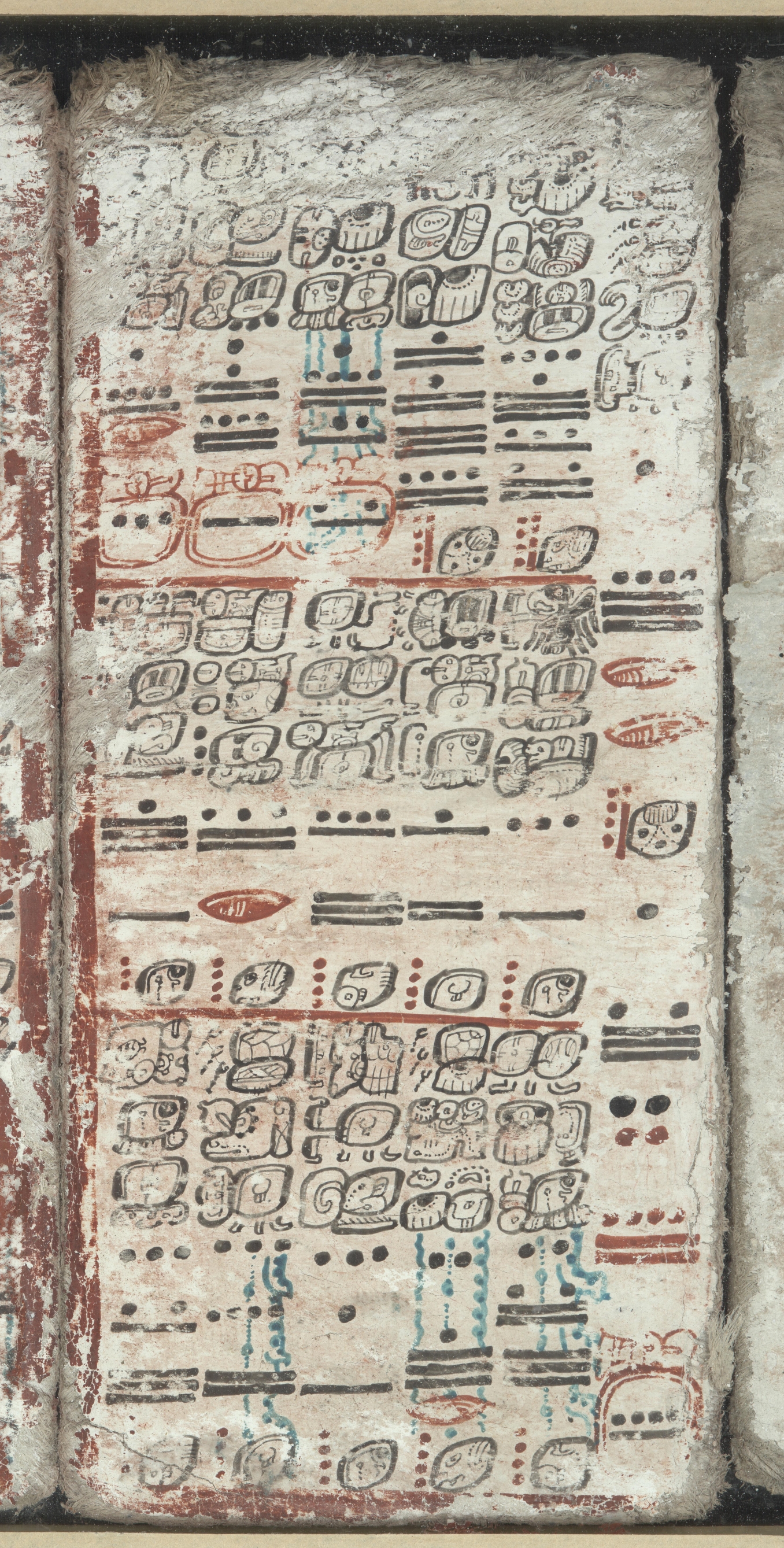
"Maya monuments and codices show equally systematic approaches to color notation"
The Rongorongo script of Rapa Nui, studied by Albert Davletshin, is the only known indigenous writing system in Oceania from before European contact. The script survives on 24 wooden objects - tablets, staffs, and a ceremonial gorget - holding about 12,000 carved glyphs. These artifacts range in size, with signs measuring about 1.5 cm tall, and even smaller (around 1 cm) on the Large Santiago Tablet. The signs are carved with meticulous detail into the hard wood.
Directly north in Mesoamerica, Maya and Nahuatl scribes created distinct methods for noting color. According to Amos Megged's research, they either drew objects tied to specific colors (like blood for red), or they used hatching patterns in carved texts. In Maya writing, the word-sign Sak (meaning 'white') showed a flower, while Chak ('red') depicted a peeled bone - where fresh blood would be visible. When carving in stone rather than painting, they developed a system of hatching to indicate colors.
On Rapa Nui, Rongorongo scribes used methods that mirror these Mesoamerican practices. Davletshin's work identifies about 12 different designs that show hatching patterns, with 169 total examples in the surviving texts. Simple hatched lines marked red, while cross-hatched patterns indicated black. These signs appear less often than their plain counterparts, suggesting they served as specific color markers.
The physical evidence shows clear patterns. On Rapa Nui, signs like "Bird", "Fish", and "Crescent" exist in both plain and hatched versions. Sometimes only part of a sign carries hatching, and in rare cases, the hatching spreads to neighboring signs. This matches Maya practice, where scribes would sometimes reduce their color marking to specific parts of larger glyphs.
Rapa Nui's stone and wooden carvings support this reading. Cross-hatching marks tattoos on Mōʻai (the island' famous stone statues) traditionally done in black ink - while simple hatching marks objects painted red. Two statues in Rano Rāraku show cross-hatching on their necks and hatching around their lips, marking areas that carried pigment.
The Ah Ts'ib, the Maya scribes, worked mainly with black ink, using red for emphasis or ritual significance. Their Lakam Tun (Stelae, carved stone monuments) show a systematic approach to indicating color through hatching patterns. The sign for BLACK often appears as simple cross-hatching, especially when used with other glyphs.
Both cultures adapted to their materials. Ah Ts'ib painted codices on bark paper and on lakam tun. Rapa Nui scribes worked primarily on wooden tablets, called Kohau by the local people. These tablets underwent a specific preparation process before carving could begin.
The actual carving techniques differed based on materials. Maya stone carvers used chisels and hammers to create deep relief, while Rapa Nui scribes likely used obsidian tools to inscribe the hardwood tablets. Both achieved fine detail in their hatching patterns despite working with different tools and surfaces.
The scripts themselves functioned differently. Rongorongo used both phonetic signs and word-signs, with signs combining in specific ways to create meaning. Mesoamerican scripts changed over time, especially during the 1500s when they began incorporating alphabetic elements from European writing.
The matching methods for marking color don't prove contact between these cultures. Both regions might have created these techniques separately as practical ways to show color in carved text. But the shared approaches contribute to questions about ancient Pacific connections.
Although the Spaniards really didn't leave much, what remains of the Maya system's documented history might help us understand Rongorongo's development, though their timelines differ. Maya writing evolved over centuries, while Rongorongo existed for a shorter time. The Maya texts show how their color notation system grew more standardized over time.
Study of the actual objects continues to yield new information. The wooden tablets of Rapa Nui, though few in number, show consistent patterns in how they use hatching to modify signs. Maya monuments and codices show equally systematic approaches to color notation.
As research continues, these parallel methods of marking color may help explain how writing systems developed in the eastern Pacific. Whether through cultural contact or separate invention, both regions found working solutions for showing color in their carved texts.
The matter of ancient Pacific crossings stays open. While matching approaches to color notation don't prove early contact, they add to research about possible connections between the 5,000 nautical miles that separate these ancient cultures.

Huri Translations
Tel. +689 89 205 483
[email protected]
PO BOX 365 Maharepa
98728 Mo'orea
French Polynesia
N°TAHITI 876649


Social