Insular Innovation: Lessons in Sustainability
Among the recurrent themes in our translation work is the relationship between Pacific Island peoples and their environment. This relationship is all about finding intuitive approaches to sustainability that challenge conventional practices. Far from being simply vulnerable to environmental pressures, these island societies have developed remarkable adaptations that offer something to heed on for contemporary lifestyles.
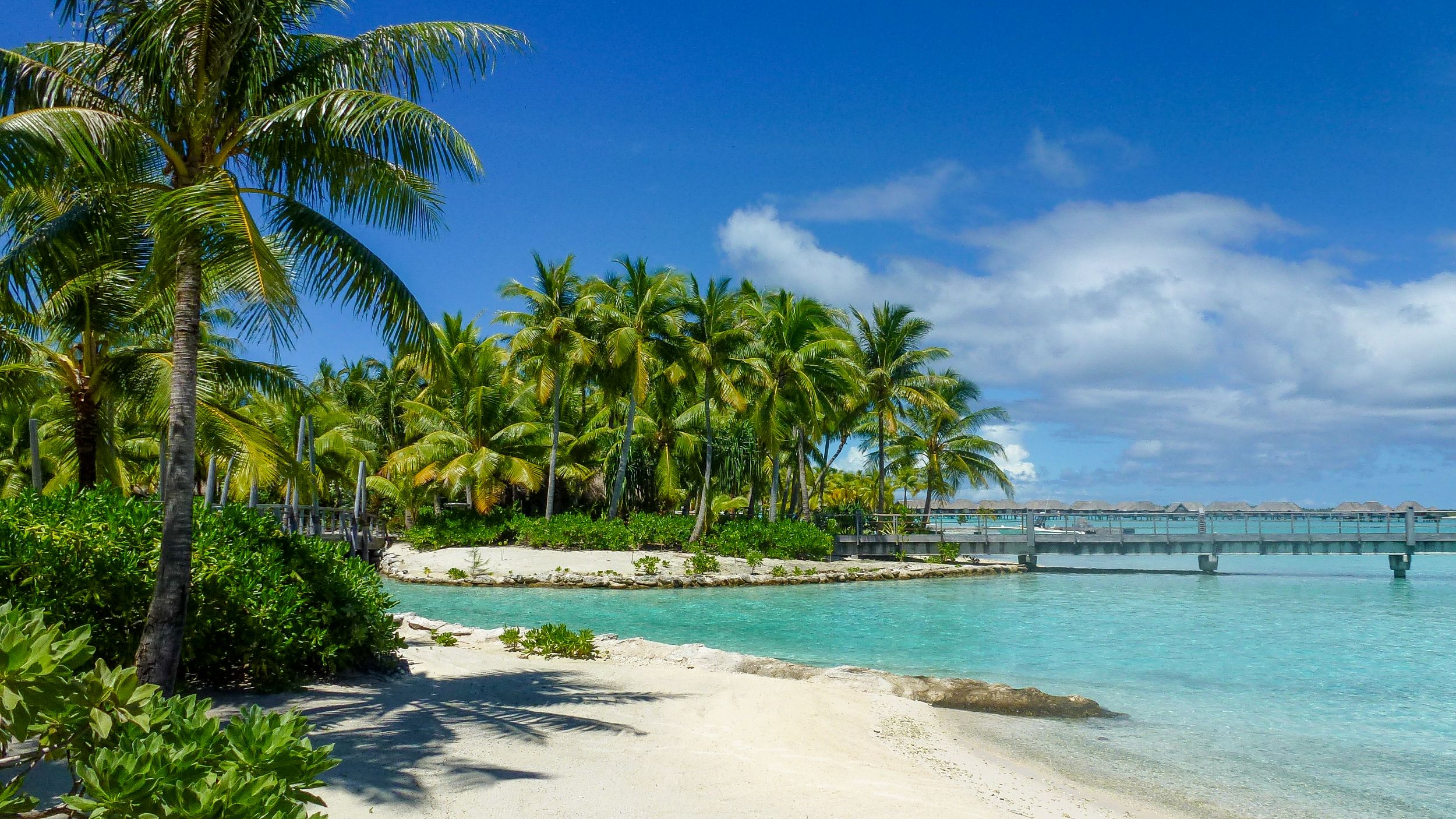
"challenges of resource management and climate resilience in a context of expanding human activity"
At the heart of Pacific Island approaches to sustainability lies the understanding of the relationship between people and place. A sense of belonging. The Hawaiian concept of ʻĀina, for instance, positions land as a resource but also an integral part of cultural identity and genealogy. This ancestral connection has historically shaped resource management approaches across the Pacific, manifesting in well-designed systems like the Ahupuaʻa - a traditional Hawaiian land division model that created self-sustaining units from mountain ridges to the reef.
However, these traditional systems now face unprecedented challenges. The scale of environmental impacts in island contexts can be devastating, with recent events highlighting their serious vulnerability. When Hurricane Maria struck Dominica in 2017, it caused losses equivalent to 226% of GDP. Tonga's experience is equally telling - in just four years, the nation faced Category 5 Cyclone Gita (38% of GDP in losses), Category 3 Cyclone Harold (25%), and the Hunga-Tonga/Hunga-Haʻapai volcanic eruption (18.5%).
These environmental pressures create complex economic woes. Island nations often find themselves caught between the need to invest in resilience and the constraints of high debt levels. Jamaica's experience illustrates this tension - while successfully reducing its debt-to-GDP ratio from 147% to 72.2%, this achievement required careful balancing of fiscal consolidation with essential investments. Similarly, Cabo Verde maintains debt levels above 100% of GDP, considered sustainable only because of highly concessional financing terms.
Yet amidst these numbers, Pacific Island nations are demonstrating innovative approaches to sustainability that merge traditional practices with contemporary needs. In Hawaiʻi, traditional concepts of kinship with place are actively shaping modern conservation practices. The story of Rapa Nui offers another powerful example - contrary to colonial narratives of collapse, archaeological evidence reveals actual ingenious agricultural innovations that maintained productivity through European contact.
Financial innovation is also emerging to address island-specific challenges. Activating Climate-Resilient Debt Clauses (World Bank, IMF, etc.) now allows for temporary debt service deferral when disasters strike. However, as Pacific scholars and leaders point out, such modern financial tools must be part of broader solutions that address structural vulnerabilities. As University of Canterbury Prof. Te Maire Tau suggests, progress lies in "standing shoulder to shoulder and looking at the world together" - combining past indigenous knowledge with contemporary approaches.
The experiences of Pacific Island nations show that sustainable solutions must be grounded in a thorough understanding of local contexts while acknowledging global interconnections. Their sophisticated traditional resource management systems - think Tahiti's Rāhui system, Palau's Bul system, etc. - combined with innovative adaptations to modern requirements, may be recipes for addressing sustainability issues. These recipes are particularly relevant as the world grapples with questions of resilience and adaptation in the face of environmental changes.
The evidence from across the Pacific suggests that successful approaches to island sustainability require recognition of traditional ecological knowledge systems, understanding of vulnerability patterns, and integration of cultural frameworks with modern practices. These island nations demonstrate that resilience comes from technological and financial solutions, as well as from the cultural understanding of human-environment relationships developed over generations. Yes, by centuries and centuries of observation of mother nature.
Rather than viewing Pacific Island nations primarily through the lens of vulnerability, perhaps we should ask: What can a savvy balance of tradition and innovation teach us about creating truly sustainable systems in an era of global environmental disruption? After all, these societies have centuries of experience adapting to environmental constraints while maintaining cultural continuity - whether by reorganizing society or by emigration - an expertise that may prove invaluable as communities worldwide face similar challenges of resource management and climate resilience in a context of expanding human activity.

Huri Translations
Tel. +689 89 205 483
[email protected]
PO BOX 365 Maharepa
98728 Mo'orea
French Polynesia
N°TAHITI 876649


Social