Language, Religion and Cultural Encounters in the Pacific
Ancient symbols carved into Pacific stones carry meanings that transcend individual traditions. In societies prioritizing written records, like Abrahamic religions, divine revelation took codified forms. Among Pacific oral cultures, sacred understanding lived in chants, patterns of tapa, and stories carried by ocean winds.
"religious authority rested in oral transmission rather than written doctrine"
Religious traditions share underlying patterns across civilizations. The concept of eternal guiding force appears in Polynesian term Atua, in South Asian deities and Abrahamic faiths. In Micronesia, chants invoke spirits inseparable from land and sea. The formless Brahman of Hinduism resonates with Pacific worldviews where divinity flows through life itself.
Sacred texts and oral transmission shaped how authority operated. While Abrahamic traditions preserved revelation in writing, Pacific Island cultures maintained knowledge through spoken word and lived experience. Polynesian languages reflected this through specific terms, like Mana, conveying divine force in people, places and words, while Fijian term Vakaivolatabu marked items made sacred through religious significance. Tapu maintained boundaries between sacred and ordinary realms.
The Hawaiian religious system exemplified these principles through four major gods: Lono, Kāne, Kū, and Kanaloa. Lono held authority over peace, agriculture, and fertility. The Makahiki festival honored Lono when Makaliʻi (the Pleiades) rose at sunset, typically between October/November and February/March. During this period, war was forbidden and temples to Kū closed for worship.
These religious frameworks provided context when Captain James Cook arrived in 1778. His ships reached Kealakekua during Makahiki, their white sails mirroring ceremonial kapa banners. Kahuna Nui (High priest) Koa presented Cook with offerings linked to Lono: a pig, coconuts, and red kapa cloth. The religious system's oral nature allowed incorporation of new elements while maintaining traditional forms.
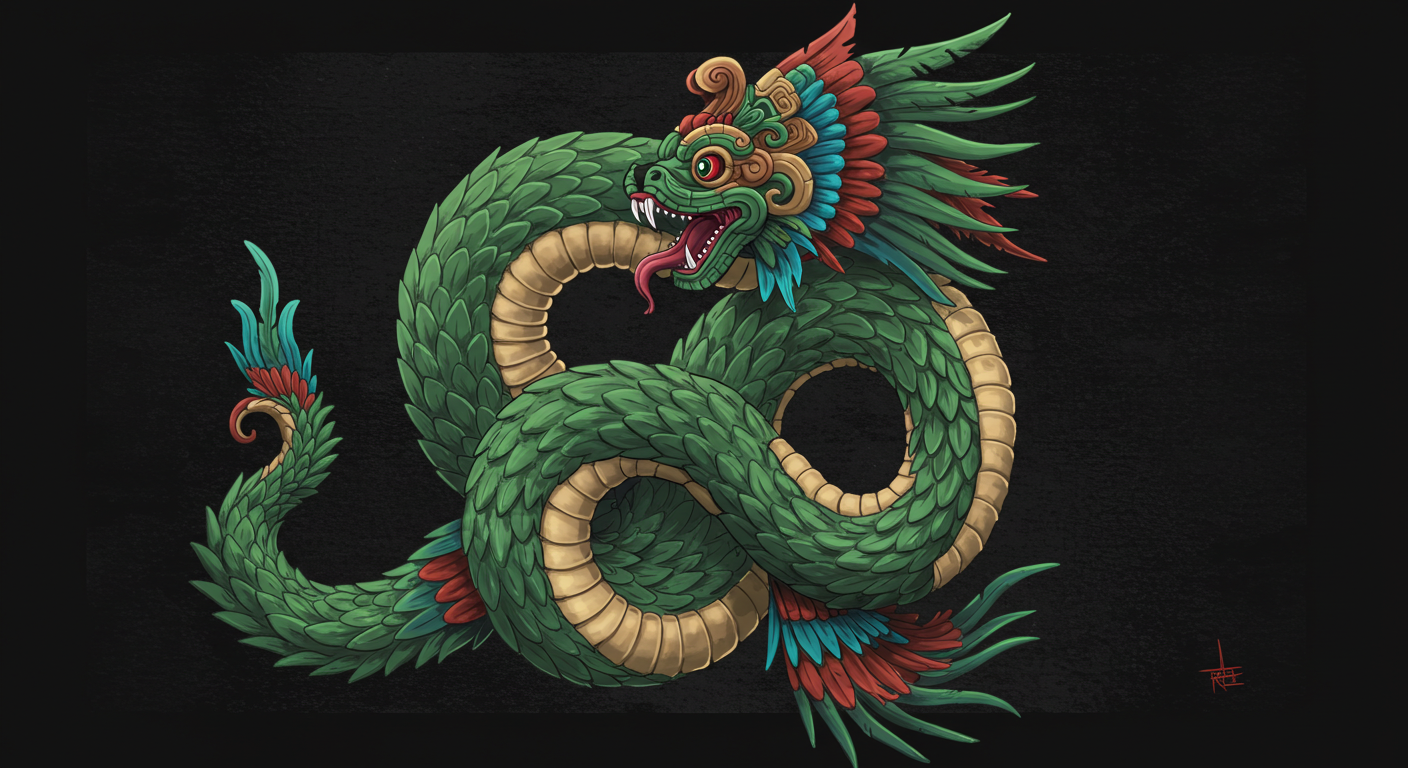
In Mesoamerica, religious concepts traveled similar paths between language and belief. The Aztecs maintained knowledge of Quetzalcoatl through oral tradition, understanding this deity as a feathered serpent in nature, a force in creation, and a remembered priest-king. The spread of such religious traditions often followed routes of trade and cultural exchange, embedding themselves in new landscapes while adapting to local customs.
Linguistic patterns illuminated shared religious understandings. In many Pacific languages, terms for knowledge intertwined with concepts of spirit and truth. The Nahuatl word Ehecocatl (wind snake ; tornado) reflected Quetzalcoatl's connection to gentle breezes and powerful storms. These linguistic markers helped structure religious comprehension across cultures.
When Hernán Cortés arrived in 1519, Moctezuma received him following ceremonial protocols. Yet in both Hawaiian and Aztec cases, experience transformed initial religious interpretations. The death of crew member William Watman revealed European mortality to Hawaiians. When Pedro Alvarado killed ceremonial dancers, he violated expectations of divine behavior, as Quetzalcoatl was remembered for valuing human life.
Throughout these encounters, religious authority rested in oral transmission rather than written doctrine. Historical records and oral traditions suggest ancient Pacific societies emphasized balance, reciprocity, and respect for unseen forces. While interpretations evolved through cultural contact, religious frameworks initially shaped how societies understood unprecedented arrivals.
Sacred texts and oral transmission shaped how authority operated. While Abrahamic traditions preserved revelation in writing, Pacific Island cultures maintained knowledge through spoken word and lived experience. Polynesian languages reflected this through specific terms, like Mana, conveying divine force in people, places and words, while Fijian term Vakaivolatabu marked items made sacred through religious significance. Tapu maintained boundaries between sacred and ordinary realms.
The Hawaiian religious system exemplified these principles through four major gods: Lono, Kāne, Kū, and Kanaloa. Lono held authority over peace, agriculture, and fertility. The Makahiki festival honored Lono when Makaliʻi (the Pleiades) rose at sunset, typically between October/November and February/March. During this period, war was forbidden and temples to Kū closed for worship.
These religious frameworks provided context when Captain James Cook arrived in 1778. His ships reached Kealakekua during Makahiki, their white sails mirroring ceremonial kapa banners. Kahuna Nui (High priest) Koa presented Cook with offerings linked to Lono: a pig, coconuts, and red kapa cloth. The religious system's oral nature allowed incorporation of new elements while maintaining traditional forms.
In Mesoamerica, religious concepts traveled similar paths between language and belief. The Aztecs maintained knowledge of Quetzalcoatl through oral tradition, understanding this deity as a feathered serpent in nature, a force in creation, and a remembered priest-king. The spread of such religious traditions often followed routes of trade and cultural exchange, embedding themselves in new landscapes while adapting to local customs.
Linguistic patterns illuminated shared religious understandings. In many Pacific languages, terms for knowledge intertwined with concepts of spirit and truth. The Nahuatl word Ehecocatl (wind snake ; tornado) reflected Quetzalcoatl's connection to gentle breezes and powerful storms. These linguistic markers helped structure religious comprehension across cultures.
When Hernán Cortés arrived in 1519, Moctezuma received him following ceremonial protocols. Yet in both Hawaiian and Aztec cases, experience transformed initial religious interpretations. The death of crew member William Watman revealed European mortality to Hawaiians. When Pedro Alvarado killed ceremonial dancers, he violated expectations of divine behavior, as Quetzalcoatl was remembered for valuing human life.
Throughout these encounters, religious authority rested in oral transmission rather than written doctrine. Historical records and oral traditions suggest ancient Pacific societies emphasized balance, reciprocity, and respect for unseen forces. While interpretations evolved through cultural contact, religious frameworks initially shaped how societies understood unprecedented arrivals.

Huri Translations
Tel. +689 89 205 483
[email protected]
PO BOX 365 Maharepa
98728 Mo'orea
French Polynesia
N°TAHITI 876649


Social