Jade of Ancient Oceanic Civilizations
Throughout antiquity, a green stone wove through human civilizations, tracing pathways between spiritual and cultural spaces across vast oceanic expanses, embodying the liminal dimension between mortal experience and divine perception. This stone, Jade, shaped cultural development across the Pacific for over eight millennia, from Asia to Meso-America.
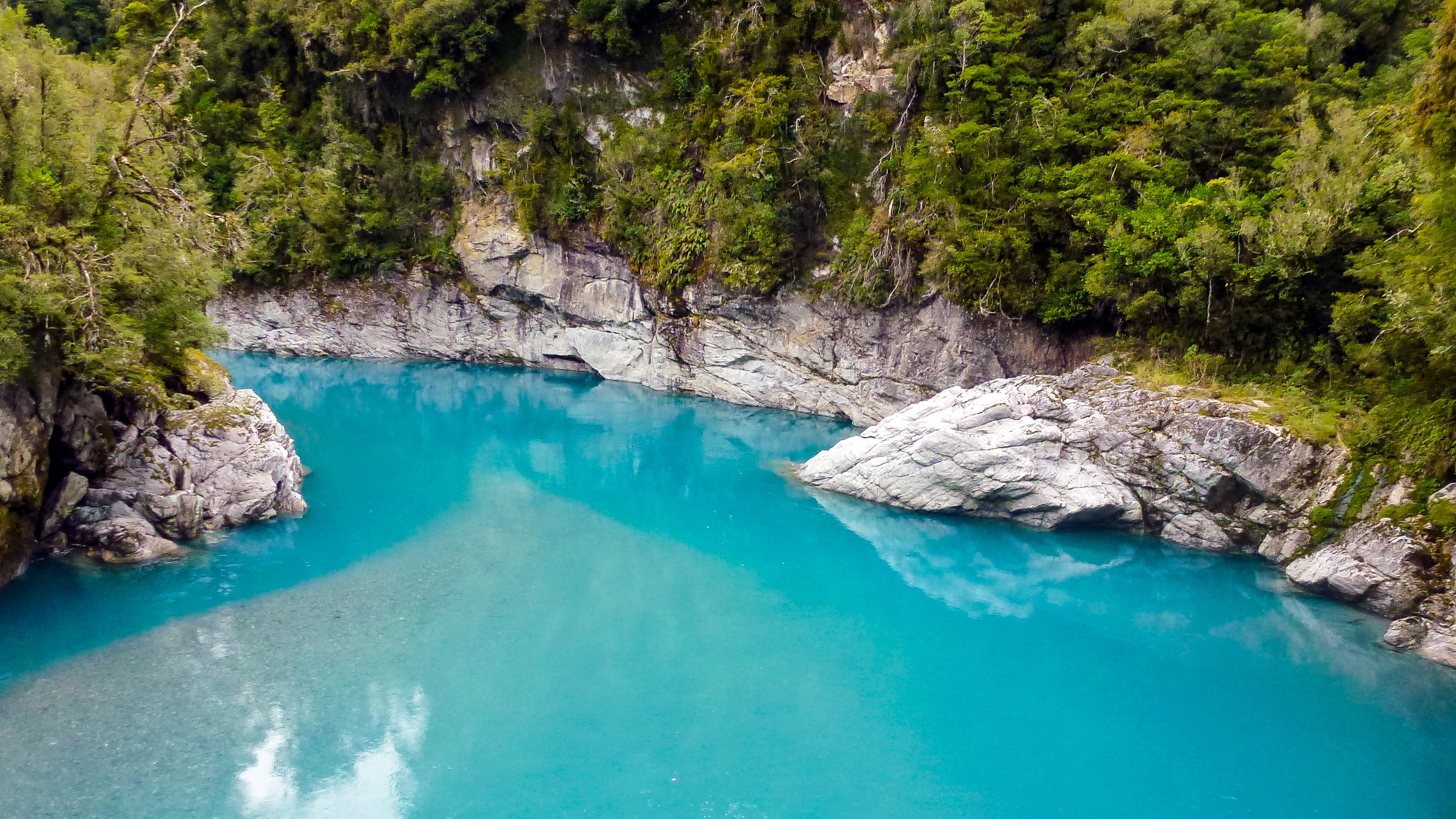
"an inherited treasure that carries ancestral memory"
In classical Chinese thought, Jade transcended pure ornamental value. The character Yù (玉) is embodied in the written language as a foundation for concepts of virtue and cosmic order. Similarly, thousands of miles away on the western shores of Te Wai Pounamu, Aotearoa's South Island, Pounamu (Greenstone Jade) became intertwined with Māori concepts of Mauri - the essence or life force that animates both living and inanimate things.
Māori carved Pounamu into Toki (adzes), Mere (weapons), and Hei Tiki (neck ornaments). These items became supreme symbols of authority - Mere Pounamu were considered the highest symbols of Rangatiratanga (chieftainship), while Toki Poutangata (ceremonial adzes) were carried by chiefs to mark their authority.
In eastern Taiwan's Fengtian, artisans used abrasive sands to shape nephrite into delicate ornaments. Scientists can now trace ancient trade routes through electron probe microanalysis, which reveals the chemical signature of Fengtian Jade. Like fingerprints in stone, these signatures show how Jade pieces moved across vast distances, carried by maritime traders.
Jade's significance extends beyond adornment into a dimension of spiritual power. Chinese emperors used Bì (璧), jade discs for divine communication. For Māori, Pounamu objects often served as talismans protecting Mauri (life force). Some pieces gained such sacred status that their very presence could summon supernatural forces - as with Te Āwhiorangi, a legendary Jade adze said to have been used by the god Tāne to cut the sinews between Rangi and Papa (sky and earth) to separate them and create the world.
Through scientific analysis, we now understand that nephrite Jade forms deep within the earth, where volcanic and sedimentary rocks meet. In Aotearoa, these precious deposits were lifted to the surface over millions of years through mountain-building processes where the Pacific tectonic plate collides with the Australian plate, carried by rivers and glaciers to where Māori would discover them.
Across the Pacific, Mesoamerican peoples developed their own spiritual relationship with Jade. The Olmec, Maya and Aztec valued Jade above gold and regarded it as a petrified form of sacred breath and water. The Nahuatl word Chālchihuitl shares linguistic roots with concepts of preciousness and life-giving water. Like their Asian counterparts, Mesoamerican artisans created elaborate royal regalia and burial masks from Jade, believing the stone could guide souls through the afterlife.
Traditions share the concept of Jade as an inherited treasure that carries ancestral memory. Like the Bì of Chinese emperors, Taonga Pounamu (Jade artifacts) were often given names and became tribal heirlooms, physical links to venerated ancestors remembered in songs and stories.
Contemporary archaeological research continues to unearth new dimensions of the ancient Jade trade networks, while indigenous traditions maintain living connections to this prized stone. From the maritime trade routes of Southeast Asia to the sacred rivers of Te Tai Poutini, to the far edges of Guatemala's Petén rainforest plateau, Jade remains by and large a testament to humanity's enduring ability to invest meaning in the material world.

Huri Translations
Tel. +689 89 205 483
[email protected]
PO BOX 365 Maharepa
98728 Mo'orea
French Polynesia
N°TAHITI 876649


Social