How Island Peoples Map Their World
Words shape how we see the water between islands. Japanese fishermen call it 多島海 (tatoukai) when the islands dot the waves like stars. They say 群島 (guntou) when islands huddle close, 列島 (rettou) when they trail like footsteps across the sea, and 諸島 (shotou) when describing their differences. Each name paints a distinct picture of how people see their home waters and surrounding environment.
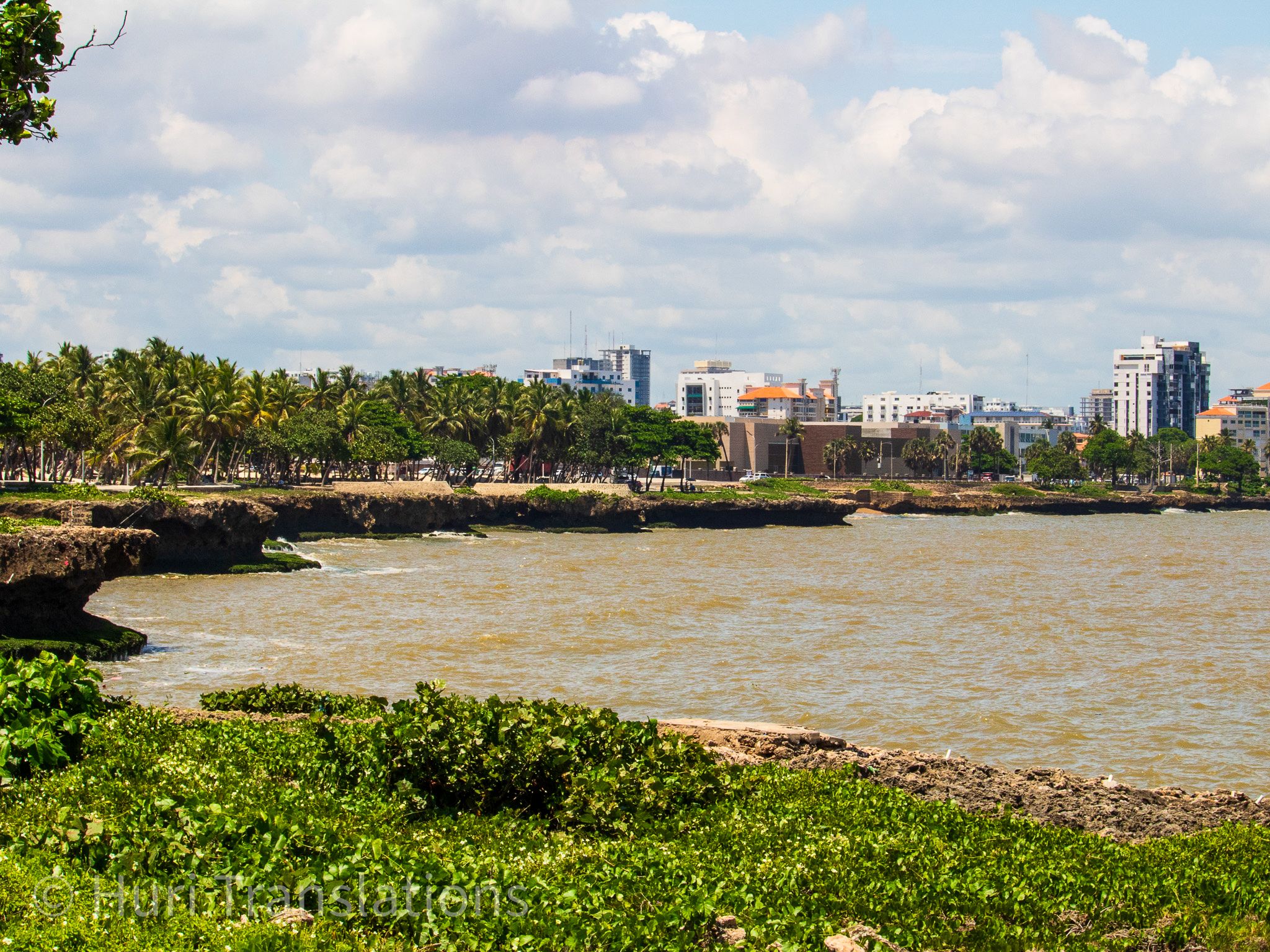
"New names join old ones as relationships with places continue to evolve"
When you think 群島 (guntou) and 群盗 (guntou) have the same pronunciation despite a different Kanji that tells the "group of islands" from the "group of robbers", it is quite easy to bridge the whole Pacific ocean west to east with the creation myths where a god of thieves would steal islands by tying them altogether, hauling them with their canoes back to their homelands. For it is only a matter of time before foreigners become people of the land. In Tonga, outer islanders become Kakai mei tahi (people from the sea). They learned to sail before they could walk. They read the wind, worked the waters, lived by ocean rhythms passed down through generations. Same for Marquesans: Tō ʻAʻotoka (north Marquesan) and Tō ʻAʻotona (south Marquesan) are terms used to designate foreigners, "Those from down south", literally.
For the Taíno people of the Caribbean, names also tracked relationships with the environment. Consider the Taíno word Yuca (Manihot esculenta). One word marked the living plant, another one of its varieties, whose god Yucahú would take care of. Different names distinguished parts used for food or the ways of preparing it. Each name added detail to the picture - how it grew, when to harvest, ways to use each part.
This layering of names followed clear patterns. The more ways people used a plant or animal, the more names it gathered. A fish might have one name for its young form, another when mature, a name depending on the season, a name depending on which god is trusted, etc. A tree could collect names for its wood, its fruit, its medicine. This pattern appears starkly in the Taíno names for the queen conch: Carrucho, Guamo, Cobo and lambí - each name captures a different aspect of this shell dweller that provided both food and tools.
Colonial borders cut through these named networks at sea. In Newfoundland, coastal communities lost their maritime vocabulary when authorities pushed them inland. Australian courts initially dismissed Torres Strait Islanders' claims to sea territories - how could anyone own water, right? Duh, they officially do now: The Torres Strait communities won rights to 37,800 square kilometers of sea. Their victory grew from those old names that mapped relationships between people and place. The names marked generations of fishing grounds, reefs, mangroves, ancient routes, places where people had always gathered food and materials.
These patterns shed light on how humans come to know their environment as time goes by. You see this in languages across the Pacific. Communities develop vocabularies for things that matter in daily life. A single palm species might collect a dozen names - one for its fronds used in weaving, another for its wood in building, others for its fruits at different stages of ripeness.
When languages fade, these layers of meaning begin to blur. But where communities maintain their names, they keep alive their ways of knowing both land and sea. New names join old ones as relationships with places continue to evolve.
The next time you look at an island map, remember - between those dots of land lies a sea full of names. In Hawaiʻi, Kealaikahiki (the-path-to-tahiti), the ocean channel that connects Maui to Tahiti, is yet another fantastic name that speaks for itself. Every toponym, oronym, agronym, etc. marks a connection between people and place, running as deep as the ocean floor to the mountain summit. In the named spaces between islands, we glimpse how generations of people have mapped meaning onto the sea.
This layering of names followed clear patterns. The more ways people used a plant or animal, the more names it gathered. A fish might have one name for its young form, another when mature, a name depending on the season, a name depending on which god is trusted, etc. A tree could collect names for its wood, its fruit, its medicine. This pattern appears starkly in the Taíno names for the queen conch: Carrucho, Guamo, Cobo and lambí - each name captures a different aspect of this shell dweller that provided both food and tools.
Colonial borders cut through these named networks at sea. In Newfoundland, coastal communities lost their maritime vocabulary when authorities pushed them inland. Australian courts initially dismissed Torres Strait Islanders' claims to sea territories - how could anyone own water, right? Duh, they officially do now: The Torres Strait communities won rights to 37,800 square kilometers of sea. Their victory grew from those old names that mapped relationships between people and place. The names marked generations of fishing grounds, reefs, mangroves, ancient routes, places where people had always gathered food and materials.
These patterns shed light on how humans come to know their environment as time goes by. You see this in languages across the Pacific. Communities develop vocabularies for things that matter in daily life. A single palm species might collect a dozen names - one for its fronds used in weaving, another for its wood in building, others for its fruits at different stages of ripeness.
When languages fade, these layers of meaning begin to blur. But where communities maintain their names, they keep alive their ways of knowing both land and sea. New names join old ones as relationships with places continue to evolve.
The next time you look at an island map, remember - between those dots of land lies a sea full of names. In Hawaiʻi, Kealaikahiki (the-path-to-tahiti), the ocean channel that connects Maui to Tahiti, is yet another fantastic name that speaks for itself. Every toponym, oronym, agronym, etc. marks a connection between people and place, running as deep as the ocean floor to the mountain summit. In the named spaces between islands, we glimpse how generations of people have mapped meaning onto the sea.
Huri Translations
Tel. +689 89 205 483
[email protected]
PO BOX 365 Maharepa
98728 Mo'orea
French Polynesia
N°TAHITI 876649


Social