Shifting Tides: Global Energy Discourse and Pacific Realities
The global energy landscape is undergoing a significant transformation, driven by the pressing need to address climate change and move towards more sustainable sources. This shift is not a monolithic process but rather a confluence of varied efforts, distinct national circumstances, and diverse human experiences. Examining this transition requires looking at international collaborations, domestic policy debates, the very language used to discuss energy, and the situated realities of communities whose lives are intertwined with environmental and economic shifts.
"Faʻalavelave, a Samoan custom involving remittances"
International partnerships play a discernible role in shaping energy transitions. Consider, for instance, the relationship between China and Brazil. China, a substantial energy producer and consumer, and a significant emitter too, has simultaneously emerged as a global leader in clean energy investment and technology. This includes considerable investment in renewable energy capacity and widespread export of solar panels. Brazil, rich in natural resources and biodiversity, has also made strides in increasing the share of biomass, wind, and solar energy. The cooperation between these two nations in developing new energy sources, involving equipment exchange, project contracting, investment, and technological advancement, illustrates how bilateral relationships can influence the pace and direction of energy transition in participating countries. This cooperation spans industrial, commercial, and investment spheres, alongside political action, public policies, and technological transformations. Agreements signed between Brazil and China underscore a mutual interest in addressing energy from an environmental sustainability perspective, encouraging investment in generation and transmission, and fostering collaboration in renewable energy and efficiency. This highlights a perspective where international collaboration, guided by strategic agreements, propels the adoption of cleaner energy technologies.
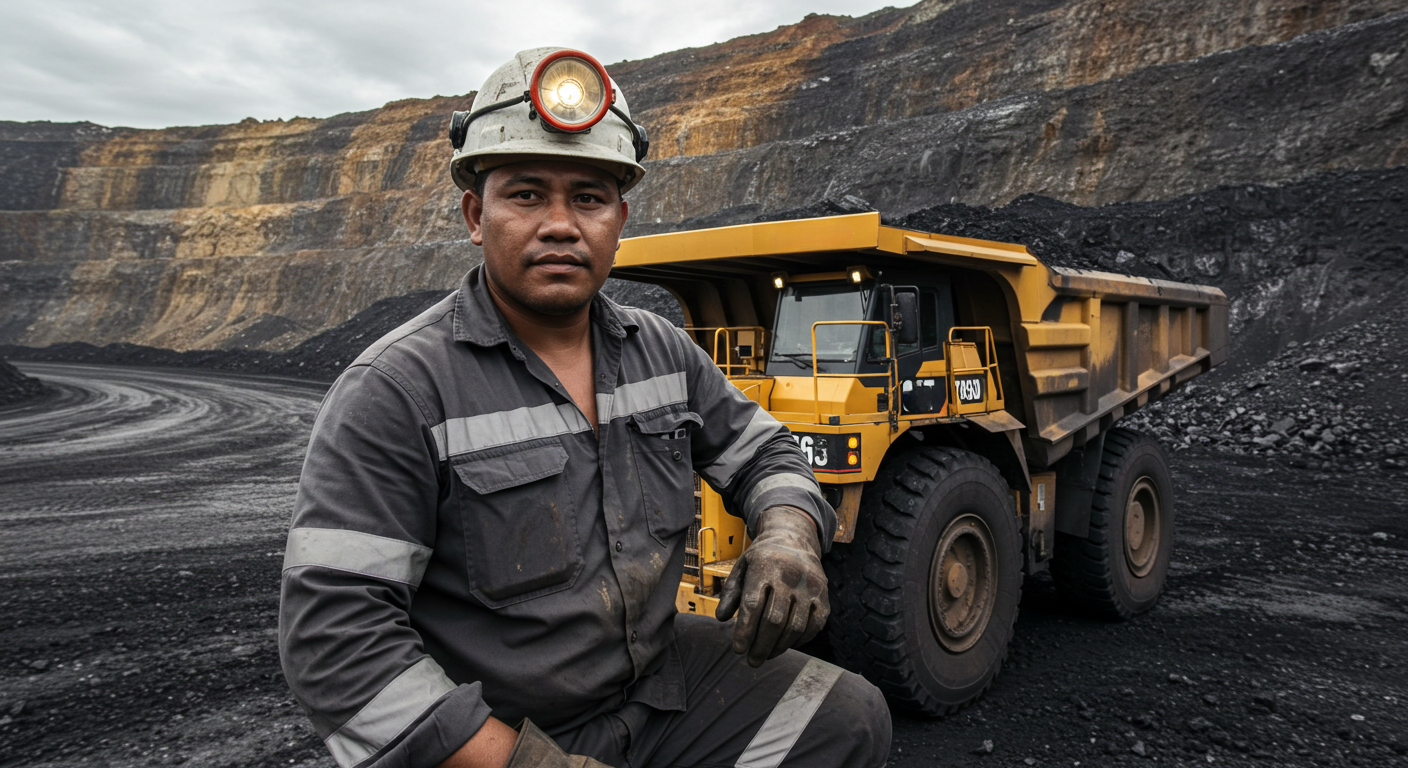
Turning inward, domestic energy transitions often involve vigorous debate among different stakeholders, particularly when confronting the phasing out of established industries. Australia, with its substantial coal reserves, offers a view into these internal dynamics. The discussion around phasing out coal reveals differing perspectives among government bodies, mining companies, and various community representatives. Some emphasize maximizing coal utilization to meet energy demands and maintain government revenues, expressing scepticism about the immediate ability of alternative sources to fully replace coal's contribution and the revenues it generates. There are concerns about the economic impacts on coal-dependent regions and the potential for job losses. This perspective often highlights the need for a gradual transition, contingent on clear strategies to balance coal's role with investments in clean energy.
Conversely, another viewpoint prioritizes the rapid phasing out of coal, emphasizing the severe economic costs of climate change outweigh the challenges of transition. Proponents of this perspective are more optimistic about the feasibility of renewable alternatives and view the move away from coal as a spur for diversification into sustainable manufacturing. A third perspective seeks a middle ground, advocating for economic diversification as coal phases out, emphasizing that coal regions necessitate investment guarantees for future jobs and business stability. This view is cautious about whether the benefits of transitioning will offset economic costs for regional communities and stresses the necessity of involving mining companies in decision-making due to their embeddedness in the local economy. The lack of consensus and the differing views on the timing and management of this transition underscore the intricate socio-economic considerations at play within a nation undergoing a significant energy shift. The need for coordinated efforts across government agencies and the private sector for long-term economic transformation is a recurrent theme.
The way we talk about energy is also a relevant perspective. A team of researchers from the School of Humanities at Tianjin University of Finance and Economics analyzed the discourse in energy news and revealed distinct linguistic patterns between different national media. A comparison of Chinese and American energy news shows that while both tend towards an "academic exposition" style, focusing on information transmission, they differ in other aspects. Chinese foreign energy news, for instance, shows higher explicitness in its references and greater abstraction, yet it is less informational, narrative, or interactive compared to American energy news. This can be seen in the more frequent use of nominalizations and complex sentence structures, contributing to a more formal and information-dense text, and less use of features that enhance direct engagement with the reader. These differences in linguistic approach can influence how energy-related information is conveyed and perceived internationally. Recent declarations by US President Donald Trump on emphasizing "Clean, beautiful coal" technologies highlight the discourse challenges in the domain and discerning such differences in communication is an area our translation team is perfectly aware of, as we help cross language barriers in technical and specialized fields.
Beyond the high-level discussions of international agreements, national policies, and media representation, lie the lives of individuals and communities who experience the effects of broader economic and environmental changes in tangible ways. Pacific Islanders who have settled in rural Australia, often finding work in seasonal horticulture, offer a perspective shaped by precarious employment and a sense of being overlooked. Many of these settlers arrived with temporary visas, some overstaying, before potentially obtaining permanent residency. Despite gaining secure immigration status, they frequently remain in unstable seasonal jobs, finding it hard to secure more consistent employment outside of farming. Even their children, born and raised in Australia, often follow this path, working as casual laborers on farms.
This situation stems from a confluence of factors, including the inherent precarity of seasonal agricultural work, which is subject to weather and market fluctuations. While the income earned during harvest season can be considerable, periods of unemployment mean surviving on savings, which can be challenging given ongoing financial obligations to family in their home islands, such as Faʻalavelave, a Samoan custom involving remittances. Furthermore, there is the burden of stereotypes, with Pacific Islanders sometimes perceived as suited only for unskilled or low-skilled labor, which creates obstacles to finding other types of work.
This population also experiences a form of oblivion. They are often underrepresented in official statistics and tend to rely on their own community networks, particularly churches, for support. This can limit their engagement with broader support services and policymakers, making the issues they face, such as precarious work conditions and health impacts from farm labor, less apparent to those who could offer assistance. Their experiences underscore a perspective where the human dimensions of economic shifts, even in sectors not directly related to energy production, remain on the periphery of policy attention. The focus on temporary seasonal worker programs can further obfuscate the long-term challenges faced by settled populations who have relied on horticultural work for years.
Bringing these different perspectives together provides a richer understanding of the energy transition we are on for. It moves beyond a purely technical or economic view to incorporate the social, political, and human elements at play. Recognizing the convoluted connections between global energy choices and the experiences of communities, including those who feel off the radar, suggests that a truly comprehensive approach to change requires listening to all voices and understanding the full spectrum of impacts. What might the experiences of unnoticed Pacific Islanders teach us about building resilience and ensuring equity in a world undergoing serious environmental and economic shifts?
Conversely, another viewpoint prioritizes the rapid phasing out of coal, emphasizing the severe economic costs of climate change outweigh the challenges of transition. Proponents of this perspective are more optimistic about the feasibility of renewable alternatives and view the move away from coal as a spur for diversification into sustainable manufacturing. A third perspective seeks a middle ground, advocating for economic diversification as coal phases out, emphasizing that coal regions necessitate investment guarantees for future jobs and business stability. This view is cautious about whether the benefits of transitioning will offset economic costs for regional communities and stresses the necessity of involving mining companies in decision-making due to their embeddedness in the local economy. The lack of consensus and the differing views on the timing and management of this transition underscore the intricate socio-economic considerations at play within a nation undergoing a significant energy shift. The need for coordinated efforts across government agencies and the private sector for long-term economic transformation is a recurrent theme.
The way we talk about energy is also a relevant perspective. A team of researchers from the School of Humanities at Tianjin University of Finance and Economics analyzed the discourse in energy news and revealed distinct linguistic patterns between different national media. A comparison of Chinese and American energy news shows that while both tend towards an "academic exposition" style, focusing on information transmission, they differ in other aspects. Chinese foreign energy news, for instance, shows higher explicitness in its references and greater abstraction, yet it is less informational, narrative, or interactive compared to American energy news. This can be seen in the more frequent use of nominalizations and complex sentence structures, contributing to a more formal and information-dense text, and less use of features that enhance direct engagement with the reader. These differences in linguistic approach can influence how energy-related information is conveyed and perceived internationally. Recent declarations by US President Donald Trump on emphasizing "Clean, beautiful coal" technologies highlight the discourse challenges in the domain and discerning such differences in communication is an area our translation team is perfectly aware of, as we help cross language barriers in technical and specialized fields.
Beyond the high-level discussions of international agreements, national policies, and media representation, lie the lives of individuals and communities who experience the effects of broader economic and environmental changes in tangible ways. Pacific Islanders who have settled in rural Australia, often finding work in seasonal horticulture, offer a perspective shaped by precarious employment and a sense of being overlooked. Many of these settlers arrived with temporary visas, some overstaying, before potentially obtaining permanent residency. Despite gaining secure immigration status, they frequently remain in unstable seasonal jobs, finding it hard to secure more consistent employment outside of farming. Even their children, born and raised in Australia, often follow this path, working as casual laborers on farms.
This situation stems from a confluence of factors, including the inherent precarity of seasonal agricultural work, which is subject to weather and market fluctuations. While the income earned during harvest season can be considerable, periods of unemployment mean surviving on savings, which can be challenging given ongoing financial obligations to family in their home islands, such as Faʻalavelave, a Samoan custom involving remittances. Furthermore, there is the burden of stereotypes, with Pacific Islanders sometimes perceived as suited only for unskilled or low-skilled labor, which creates obstacles to finding other types of work.
This population also experiences a form of oblivion. They are often underrepresented in official statistics and tend to rely on their own community networks, particularly churches, for support. This can limit their engagement with broader support services and policymakers, making the issues they face, such as precarious work conditions and health impacts from farm labor, less apparent to those who could offer assistance. Their experiences underscore a perspective where the human dimensions of economic shifts, even in sectors not directly related to energy production, remain on the periphery of policy attention. The focus on temporary seasonal worker programs can further obfuscate the long-term challenges faced by settled populations who have relied on horticultural work for years.
Bringing these different perspectives together provides a richer understanding of the energy transition we are on for. It moves beyond a purely technical or economic view to incorporate the social, political, and human elements at play. Recognizing the convoluted connections between global energy choices and the experiences of communities, including those who feel off the radar, suggests that a truly comprehensive approach to change requires listening to all voices and understanding the full spectrum of impacts. What might the experiences of unnoticed Pacific Islanders teach us about building resilience and ensuring equity in a world undergoing serious environmental and economic shifts?

Huri Translations
Tel. +689 89 205 483
[email protected]
PO BOX 365 Maharepa
98728 Mo'orea
French Polynesia
N°TAHITI 876649


Social