Byting in Tomorrow's Pacific Islander Healthcare
In Hawaiʻi's healthcare sector, two converging innovations are reshaping healthcare outcomes for many Pacific Islanders like the Kanaka Māoli, Samoan, Marshallese, Palauan, Pohnpeian, Chuukese or CHamorro communities: Artificial Intelligence and a growing workforce of indigenous healthcare workers.
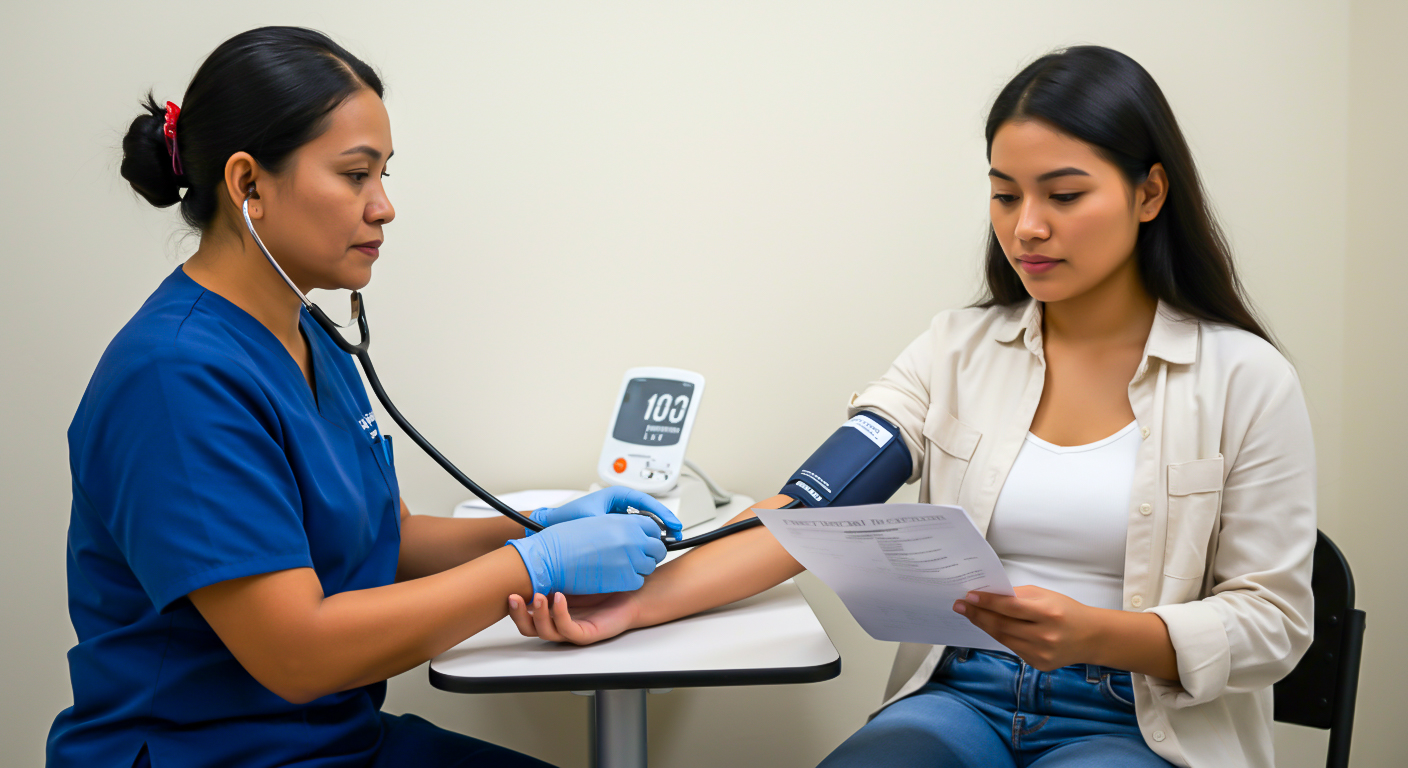
"AI tools support rather than replace human connections"
Community Health Workers (CHWs) from Native Hawaiian and Pacific Islander communities form the foundation of culturally safe healthcare spaces. During the rush of the COVID-19 pandemic, these workers were makeshift bridges between medical institutions and their communities. Team 6B exemplified this approach as they provided culturally appropriate contact tracing and community education that conventional public health methods couldn't achieve too well.
The healthcare system now stands at a crossroads where technology intersects with modern science and traditional knowledge. Recent testing shows AI language models like GPT-4 can process medical information with 96.8% accuracy, while specialized human evaluators achieve 88.8%. However, technical capability alone cannot address the deep-rooted health inequities facing Pacific Islander communities.
In fact, AI is already present in the medical domain. Our company has developed domain-specific translation engines that are customized for our Pacific Island languages, which help us deliver translations faster and more efficiently. While the translation engines assist in our translation process, we human translators still have the last words and control over the translated materials. For, it still takes peers to make sure the message is conveyed appropriately in context.
Creating sustainable pathways for Native Hawaiian and Pacific Islander CHWs requires systematic change. The Hawaiʻi Department of Health took a first step by implementing parallel hiring practices that value lived experience alongside formal education. This approach acknowledges that community knowledge carries increasing weight to Western academic credentials.
The way forward combines AI technological tools with community knowledge. While AI can help process medical information and assist with language needs, CHWs provide the cultural context essential for effective healthcare delivery. These workers understand how health concepts translate across cultural boundaries - knowledge that no algorithm can replicate.
That said, health disparities persist among NHOPI communities, from higher rates of chronic conditions to limited access to culturally appropriate care. Building a sustainable CHW workforce offers a long-term solution. This means creating entry-level positions with advancement opportunities and ensuring indigenous voices contribute in shaping healthcare policies.
Training programs now need to equip CHWs with both cultural knowledge and technological literacy. As healthcare systems cautiously engage with AI tools, workers must understand how to leverage these technologies while maintaining cultural practices that make their work effective. Our translation teams liaising with these workers are fully-trained in using the AI technologies that we develop to provide language services.
The future of Pacific Islander healthcare lies in this synthesis: Where AI tools support rather than replace human connections, and where local knowledge guides the implementation of new AI technologies. Success requires sustained investment in both community-driven initiatives and technological infrastructure.
This balanced approach could transform healthcare delivery not just in Hawaiʻi but across all the Pacific islander diaspora in the United States. By building a sustainable workforce of indigenous healthcare workers while thoughtfully implementing AI capabilities, the healthcare system can better serve all members of our Pacific Islander communities.
The healthcare system now stands at a crossroads where technology intersects with modern science and traditional knowledge. Recent testing shows AI language models like GPT-4 can process medical information with 96.8% accuracy, while specialized human evaluators achieve 88.8%. However, technical capability alone cannot address the deep-rooted health inequities facing Pacific Islander communities.
In fact, AI is already present in the medical domain. Our company has developed domain-specific translation engines that are customized for our Pacific Island languages, which help us deliver translations faster and more efficiently. While the translation engines assist in our translation process, we human translators still have the last words and control over the translated materials. For, it still takes peers to make sure the message is conveyed appropriately in context.
Creating sustainable pathways for Native Hawaiian and Pacific Islander CHWs requires systematic change. The Hawaiʻi Department of Health took a first step by implementing parallel hiring practices that value lived experience alongside formal education. This approach acknowledges that community knowledge carries increasing weight to Western academic credentials.
The way forward combines AI technological tools with community knowledge. While AI can help process medical information and assist with language needs, CHWs provide the cultural context essential for effective healthcare delivery. These workers understand how health concepts translate across cultural boundaries - knowledge that no algorithm can replicate.
That said, health disparities persist among NHOPI communities, from higher rates of chronic conditions to limited access to culturally appropriate care. Building a sustainable CHW workforce offers a long-term solution. This means creating entry-level positions with advancement opportunities and ensuring indigenous voices contribute in shaping healthcare policies.
Training programs now need to equip CHWs with both cultural knowledge and technological literacy. As healthcare systems cautiously engage with AI tools, workers must understand how to leverage these technologies while maintaining cultural practices that make their work effective. Our translation teams liaising with these workers are fully-trained in using the AI technologies that we develop to provide language services.
The future of Pacific Islander healthcare lies in this synthesis: Where AI tools support rather than replace human connections, and where local knowledge guides the implementation of new AI technologies. Success requires sustained investment in both community-driven initiatives and technological infrastructure.
This balanced approach could transform healthcare delivery not just in Hawaiʻi but across all the Pacific islander diaspora in the United States. By building a sustainable workforce of indigenous healthcare workers while thoughtfully implementing AI capabilities, the healthcare system can better serve all members of our Pacific Islander communities.

Huri Translations
Tel. +689 89 205 483
[email protected]
PO BOX 365 Maharepa
98728 Mo'orea
French Polynesia
N°TAHITI 876649


Social