Blockchain and Data Sovereignty in the Pacific
The Pacific region's approach to sustainable development has evolved significantly in recent years, with strategic planning documents providing frameworks for regional cooperation. These strategies place Pacific peoples at the center of science, knowledge, and innovative technologies to address issues like climate change and resource management.
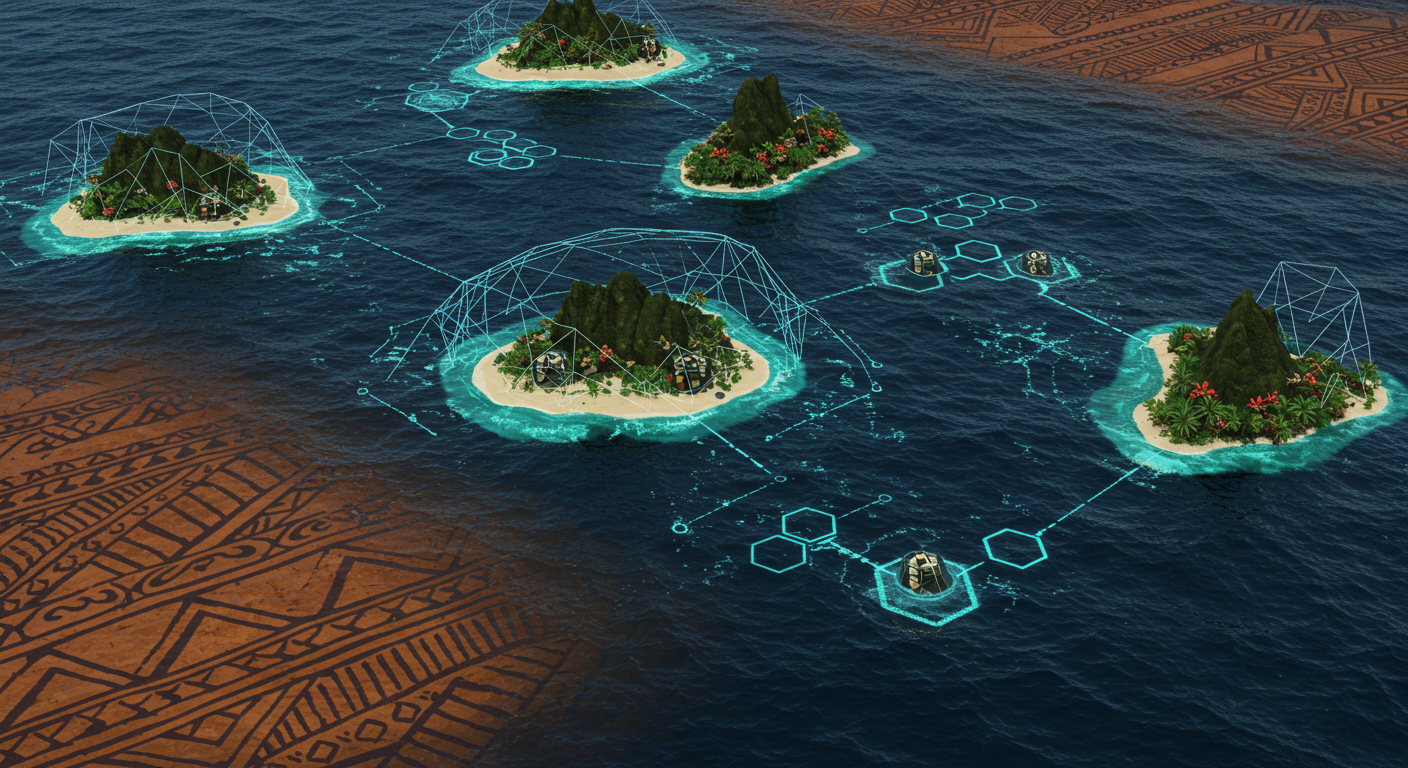
"a mechanism to ensure data provenance and integrity without requiring the data itself to be stored on the blockchain"
Pacific Island nations have been working collectively to strengthen data infrastructure across the region. The Pacific Community contributes to development goals for a resilient Blue Pacific with an emphasis on data, science, and digital assets that provide evidence for regional services.
This focus aligns with proposals for a "Collaborative Regional Data Access Network" (CREDAN) for the Asia-Oceania region. CREDAN would blend centralized and decentralized networked databases for data management and discovery, while respecting data sovereignty principles. In this approach, data owners determine the sovereignty and sharing permissions for their data, an approach that resonates with Pacific values of stewardship and community ownership.
For, the need for improved data infrastructure in the Pacific is clear. Technology and connectivity are identified as key thematic areas, with acknowledgment that the region needs to embrace technological advancements and build capacity to leverage technology developed for isolated small island states. This comes alongside recognition that the region lacks basic, longitudinal evidence about environmental assets needed for reporting and decision-making.
Indigenous knowledge and traditional practices form the foundation of Pacific identity and resilience. The CREDAN proposal emphasizes following the CARE principles (Collective Benefit, Authority to Control, Responsibility, and Ethics) for Indigenous Data, which align well with Pacific values: Enginkehlap (Joint effort in Pohnpeian), Kaitiakitanga (Stewardship in Māori), Gida Gaituvwa (Unity in Raga), and Aroha (Empathy in Tahitian).
Models like the Kāhui Raraunga Charitable Trust in Aotearoa offer potential frameworks with layers of safety, security, and protection informed by cultural protocols. This approach allows communities to control access to their information while respecting cultural expectations. Similar structures could be adapted across the Pacific, where languages often contain specific terms relating to knowledge stewardship.
In many Pacific languages, concepts of knowledge ownership differ significantly from Western concepts. The Samoan concept of Pule (authority/control) over knowledge extends beyond individual ownership to family and community rights. Similarly, the Hawaiian concept of Kuleana encompasses privilege and responsibility in knowledge stewardship. These cultural concepts could inform blockchain-enabled data systems that respect traditional knowledge governance.
The proposed CREDAN architecture offers a promising approach for Pacific nations to maintain data sovereignty while enabling regional collaboration. The system would combine centralized data repositories at the country or sub-country level with a distributed network connecting these repositories regionally.
At the local level, each country or community would maintain their own data hub, collecting, storing, and managing data according to local needs and protocols. The data owners would determine access rights and permissions, potentially using tools like the Local Contexts labels to indicate cultural protocols for data use.
The blockchain component provides a mechanism to ensure data provenance and integrity without requiring the data itself to be stored on the blockchain. A hash creates a trustworthy record of data provenance to allow a verifiable audit trail and strengthen data integrity and accountability.
This architecture aligns with data, statistics, and knowledge as strategic pathways. The strengthening of Pacific monitoring, evaluation and learning approaches could be facilitated by improved data provenance tracking.
Additionally, blockchain technology offers significant advantages for addressing the Pacific's data sovereignty concerns. The immutable nature of blockchain records can help maintain the provenance of traditional knowledge to ensure proper attribution to communities.
Through smart contracts and decentralized identifiers (DIDs), a blockchain-enabled system could automatically enforce cultural protocols around data access and use. For instance, a smart contract could ensure that commercial use of traditional medicinal knowledge is tracked and that paternity or benefits flow back to source communities.
This capability is particularly relevant for the Pacific, where many countries have original communities with distinct protocols for knowledge sharing. Traditional knowledge helps understand environmental processes, yet concerns about misappropriation have limited sharing.
A blockchain-based system could help through immutable tracking of data provenance, automated enforcement of access permissions, clear attribution of data to communities, and transparency of data use across the network.
Implementation would require a phased approach with strong governance. A seven-step implementation pathway begins with establishing collaboration between countries and developing common intent for preserving primary digital objects in their jurisdictions.
This is in keeping with emphasis on coordinated strategy and planning to improve integrated governance across the Blue Pacific architecture. Success depends on enhanced cooperation, strong leadership and continued participation at all levels of society.
Finally, a collaborative data network across the Pacific could advance regional priorities in climate resilience, natural resource management, and cultural preservation. Resilience and climate action are key focus areas, with goals of ensuring Pacific people thrive with enhanced resilience from better informed decision making.
Climate change is identified as the region's greatest threat to security. A blockchain-enabled data network could support climate action by improving data sharing while maintaining community control over sensitive information.
Communities could share coastal erosion data to support regional climate adaptation planning without losing control over potentially sensitive information about sacred sites or resource locations. The blockchain would maintain a record of who accessed the data and for what purpose, thus creating accountability throughout the system.
In natural resources, the Pacific Community aims for thriving ecosystems and communities, responsibly harnessing resources and biodiversity for security and prosperity. A blockchain-enabled data network could support this by improving transparency in resource management while protecting community interests.
Blockchain technology and Pacific data needs present an opportunity for regional development that is compliant with cultural values and traditional knowledge. By implementing a system like CREDAN, which combines centralized data management locally with a distributed regional network secured by blockchain, Pacific Island nations could maintain sovereignty over their data while benefiting from improved regional collaboration.
Such a system reflects strategic priorities, particularly in areas of technology and connectivity, climate resilience, and people-centered development. The emphasis on data sovereignty and cultural protocols in the CREDAN proposal is in tune with Pacific values and could provide a pathway for technological advancement that strengthens our Blue Pacific identity.
For, the need for improved data infrastructure in the Pacific is clear. Technology and connectivity are identified as key thematic areas, with acknowledgment that the region needs to embrace technological advancements and build capacity to leverage technology developed for isolated small island states. This comes alongside recognition that the region lacks basic, longitudinal evidence about environmental assets needed for reporting and decision-making.
Indigenous knowledge and traditional practices form the foundation of Pacific identity and resilience. The CREDAN proposal emphasizes following the CARE principles (Collective Benefit, Authority to Control, Responsibility, and Ethics) for Indigenous Data, which align well with Pacific values: Enginkehlap (Joint effort in Pohnpeian), Kaitiakitanga (Stewardship in Māori), Gida Gaituvwa (Unity in Raga), and Aroha (Empathy in Tahitian).
Models like the Kāhui Raraunga Charitable Trust in Aotearoa offer potential frameworks with layers of safety, security, and protection informed by cultural protocols. This approach allows communities to control access to their information while respecting cultural expectations. Similar structures could be adapted across the Pacific, where languages often contain specific terms relating to knowledge stewardship.
In many Pacific languages, concepts of knowledge ownership differ significantly from Western concepts. The Samoan concept of Pule (authority/control) over knowledge extends beyond individual ownership to family and community rights. Similarly, the Hawaiian concept of Kuleana encompasses privilege and responsibility in knowledge stewardship. These cultural concepts could inform blockchain-enabled data systems that respect traditional knowledge governance.
The proposed CREDAN architecture offers a promising approach for Pacific nations to maintain data sovereignty while enabling regional collaboration. The system would combine centralized data repositories at the country or sub-country level with a distributed network connecting these repositories regionally.
At the local level, each country or community would maintain their own data hub, collecting, storing, and managing data according to local needs and protocols. The data owners would determine access rights and permissions, potentially using tools like the Local Contexts labels to indicate cultural protocols for data use.
The blockchain component provides a mechanism to ensure data provenance and integrity without requiring the data itself to be stored on the blockchain. A hash creates a trustworthy record of data provenance to allow a verifiable audit trail and strengthen data integrity and accountability.
This architecture aligns with data, statistics, and knowledge as strategic pathways. The strengthening of Pacific monitoring, evaluation and learning approaches could be facilitated by improved data provenance tracking.
Additionally, blockchain technology offers significant advantages for addressing the Pacific's data sovereignty concerns. The immutable nature of blockchain records can help maintain the provenance of traditional knowledge to ensure proper attribution to communities.
Through smart contracts and decentralized identifiers (DIDs), a blockchain-enabled system could automatically enforce cultural protocols around data access and use. For instance, a smart contract could ensure that commercial use of traditional medicinal knowledge is tracked and that paternity or benefits flow back to source communities.
This capability is particularly relevant for the Pacific, where many countries have original communities with distinct protocols for knowledge sharing. Traditional knowledge helps understand environmental processes, yet concerns about misappropriation have limited sharing.
A blockchain-based system could help through immutable tracking of data provenance, automated enforcement of access permissions, clear attribution of data to communities, and transparency of data use across the network.
Implementation would require a phased approach with strong governance. A seven-step implementation pathway begins with establishing collaboration between countries and developing common intent for preserving primary digital objects in their jurisdictions.
This is in keeping with emphasis on coordinated strategy and planning to improve integrated governance across the Blue Pacific architecture. Success depends on enhanced cooperation, strong leadership and continued participation at all levels of society.
Finally, a collaborative data network across the Pacific could advance regional priorities in climate resilience, natural resource management, and cultural preservation. Resilience and climate action are key focus areas, with goals of ensuring Pacific people thrive with enhanced resilience from better informed decision making.
Climate change is identified as the region's greatest threat to security. A blockchain-enabled data network could support climate action by improving data sharing while maintaining community control over sensitive information.
Communities could share coastal erosion data to support regional climate adaptation planning without losing control over potentially sensitive information about sacred sites or resource locations. The blockchain would maintain a record of who accessed the data and for what purpose, thus creating accountability throughout the system.
In natural resources, the Pacific Community aims for thriving ecosystems and communities, responsibly harnessing resources and biodiversity for security and prosperity. A blockchain-enabled data network could support this by improving transparency in resource management while protecting community interests.
Blockchain technology and Pacific data needs present an opportunity for regional development that is compliant with cultural values and traditional knowledge. By implementing a system like CREDAN, which combines centralized data management locally with a distributed regional network secured by blockchain, Pacific Island nations could maintain sovereignty over their data while benefiting from improved regional collaboration.
Such a system reflects strategic priorities, particularly in areas of technology and connectivity, climate resilience, and people-centered development. The emphasis on data sovereignty and cultural protocols in the CREDAN proposal is in tune with Pacific values and could provide a pathway for technological advancement that strengthens our Blue Pacific identity.

Huri Translations
Tel. +689 89 205 483
[email protected]
PO BOX 365 Maharepa
98728 Mo'orea
French Polynesia
N°TAHITI 876649


Social